


April 17, 2026
Veg Up Pilot Plate inspires schools to embrace plant-based menu
By Thania Florendo
A shared meal marked a preparatory step toward transforming school food systems into healthy and sustainable models when the Tzu Chi Foundation held its Veg Up Pilot Plate on April 15 at the Cafe inside the Buddhist Tzu Chi Campus, Sta. Mesa, Manila.
Pilot Plate is a sub-event under Veg Up, a Tzu Chi initiative that received funding from ProVeg International. Headquartered in Berlin, Germany, ProVeg International is a non-profit organization that promotes a sustainable global food system by making plant-rich foods and alternative proteins more appealing and accessible to the public.
Tzu Chi’s Veg Up helps partner schools slowly shift toward more plant-based canteen meals. It encourages schools to replace at least 40% of meat dishes with plant-based options to support better health, nutrition, inclusivity, student well-being, and environmental sustainability. It also serves as a tasting session to co-create the Veg Up menu by identifying which plant-based flavors best suit participants, thus guiding the development of a more plant-forward campus.
The event brought together faculty members and food concessionaires from Quezon City University and De La Salle University, whose participants explored practical ways to introduce plant-based dishes into school cafeterias.
Participants were served 10 thoughtfully prepared vegetarian dishes, grouped into three sets. Familiar Filipino favorites were reimagined using plant-based ingredients, showing that meals can remain flavorful and satisfying while being kinder to the Earth.
The first set featured comforting dishes such as tinolang buko, fried enoki mushrooms, and Buffalo cauliflower wings. The second set offered hearty selections, including menudo, mapo tofu, and kung pao. The third set highlighted well-loved Filipino dishes in plant-based form, including tofu sisig, bistek Tagalog, salpicao, and kare-kare. Participants noted how closely the dishes resembled traditional flavors, with some expressed surprise at the absence of meat in each dish.
Each participant was given a scorecard to assess the dishes based on aroma, appearance, taste, texture, and finish. This hands-on approach allowed them to evaluate how plant-based options could meet both culinary standards and student preferences.
Beyond the tasting, Tzu Chi volunteers shared insights on ingredients such as tofu, mushrooms, and plant-based proteins, emphasizing their practicality and cost-efficiency as alternatives to meat. The discussion also highlighted how plant-based diets can help reduce environmental impact while promoting better health.
Tzu Chi volunteer Sally Yuñez is actively involved in the project, leading the training and development component of Veg Up. She is deeply committed to food innovation in support of the project’s goals. She said that the initiative was born out of a desire to support schools and communities.
“This event came to our minds because we want to help the community, especially the schools and canteens, so we invited them to come for this food tasting. We’re happy with the feedback, but we still need improvements because everyone has different tastes. We hope to adapt and refine the dishes so more people will appreciate a plant-based diet.”
From an operational standpoint, Dexter Sebial, area cafe manager of Kitchen City, a food concessionaire at De La Salle University, revealed that plant-based offerings are already gaining momentum.
“We at Kitchen City have already started promoting plant-based meals since last year, and the results have been good. We’ve been introducing them in schools through combo meals and even adding free desserts to encourage students to try plant-based options.”
“A lot of students are curious, and some have become repeat customers. It’s a different kind of menu, but there’s variety, and people are beginning to accept it. I’m glad to know that Tzu Chi Foundation and Kitchen City are leaning in the same direction,” he said.
For Glenda Rebucas, dean of the College of Business at Quezon City University, the experience opened new perspectives on food and sustainability.
“For the students, I initially expect that they will not like it. Especially if we introduce that these are made of vegetables. But maybe when they try it, I think they will love it as well.”
She emphasized that the initiative aligns closely with the university’s commitment to sustainable development.
“This is very aligned with what we are doing as part of our normal and usual practices in the university, especially training the students, the faculty, the staff to try to explore healthy ingredients and healthy food.”
“Let’s have an open mind to trying these things because the impact of this, especially on our health in the long run, will be really valuable and helpful to our stakeholders, especially students. I fully support this advocacy as an educator, and it’s just the start. I would really love to partner with Tzu Chi in our college, as we have entrepreneurship and we are into food enterprises.”
Sharing a restaurateur’s perspective, Jose Perico Marimla, owner of Perico’s Grill and a food concessionaire at De La Salle University, reflected on both the food and the experience.
“Personally, I also want to advocate for a healthy lifestyle. The environment here is very welcoming, and that makes a big difference. Even in any dining experience, sometimes even if the food is not perfect, when you are welcomed by kind and accommodating people, the whole experience becomes enjoyable.”
He noted how closely the plant-based dishes resembled familiar favorites.
“For me, being here, you cannot expect that it's entirely what you're going to taste. You need to consider that these are plant-based. That’s why I was amazed when I saw and tasted the kare-kare, which was close to the menu that was presented.”
He also highlighted the importance of achieving wellness through healthy eating.
“A plant-based diet is a preventive measure against many illnesses. With proper visuals, promotions, and explanations about its benefits, I think achieving the 40% vegetable menu conversion is possible.”
An open forum followed, where participants exchanged ideas and discussed how they could apply these learnings in their respective institutions. The event also served as a starting point for future collaborations, as both organizers and participants expressed interest in expanding the initiative to more schools, canteens, and local government units.
As the event concluded, Yuñez expressed her gratitude to the participants.
“I would like to thank everyone for coming, for sharing their views, and for giving us ways to improve the taste and outcome of our dishes.”
With growing interest from both academic institutions and food service providers, the Veg Up Pilot Plate signals a promising step toward integrating plant-based options in school food systems, demonstrating that meaningful change can begin with informed choices and collaborative effort.
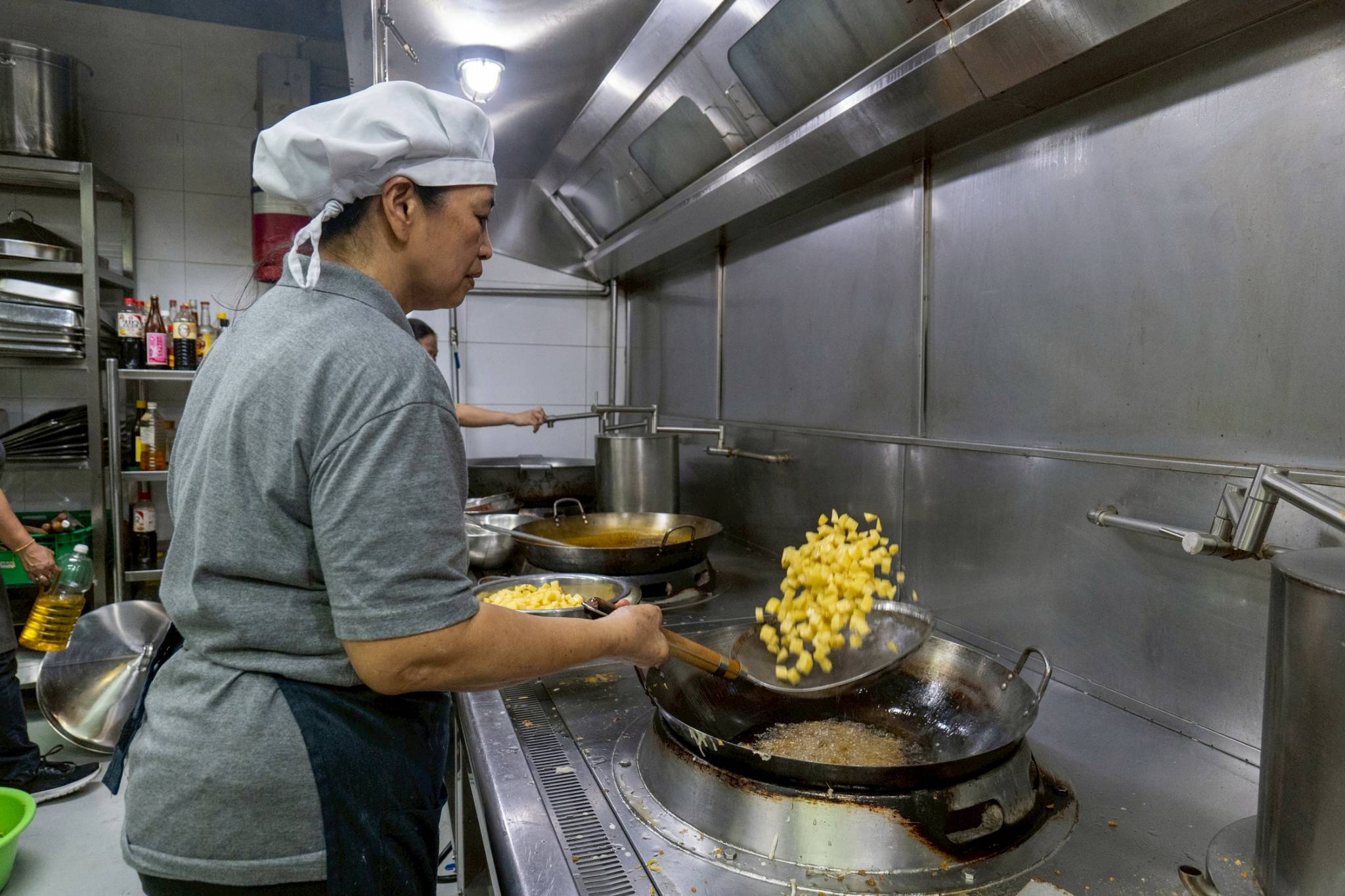 The kitchen team worked in full coordination to prepare 10 vegetarian dishes for Veg Up Pilot Plate.
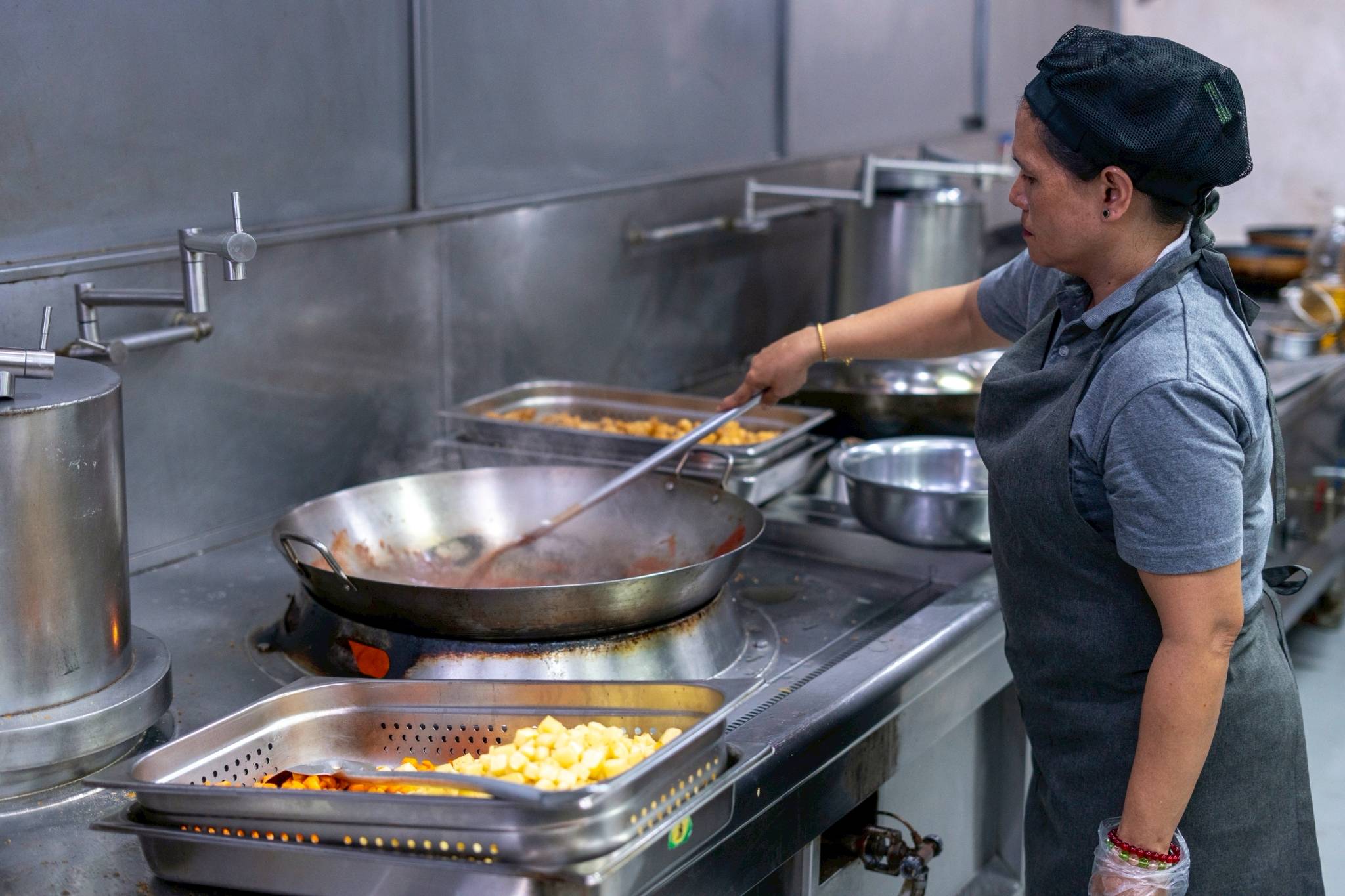 From preparation to plating, the kitchen team brought each vegetarian dish to life through teamwork and coordination.
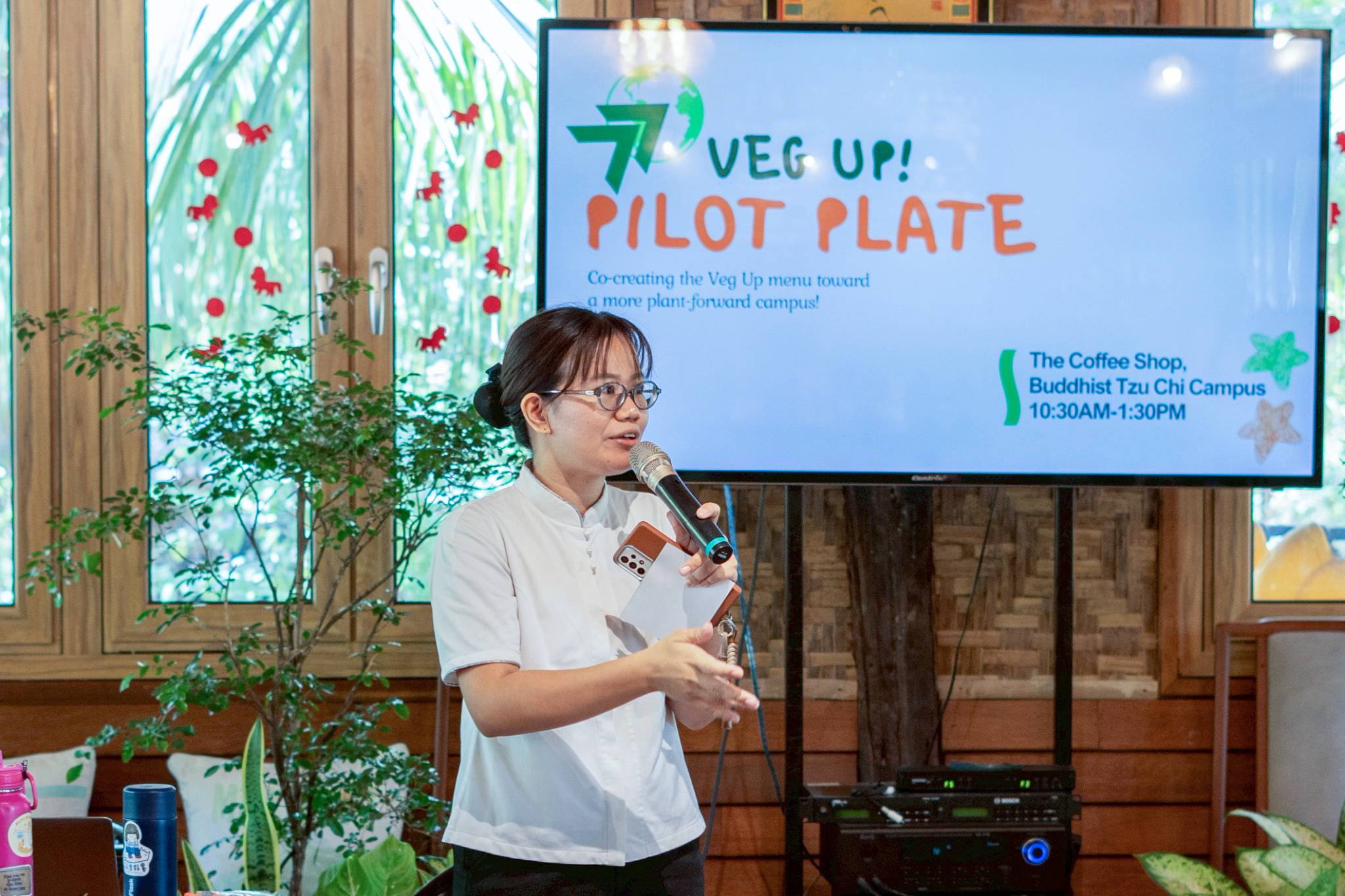 Tzu Chi Program Officer Lineth Brondial welcomed representatives and concessionaires from Quezon City University and De La Salle University.
 Participants took turns introducing themselves to promote a warm and connected environment.
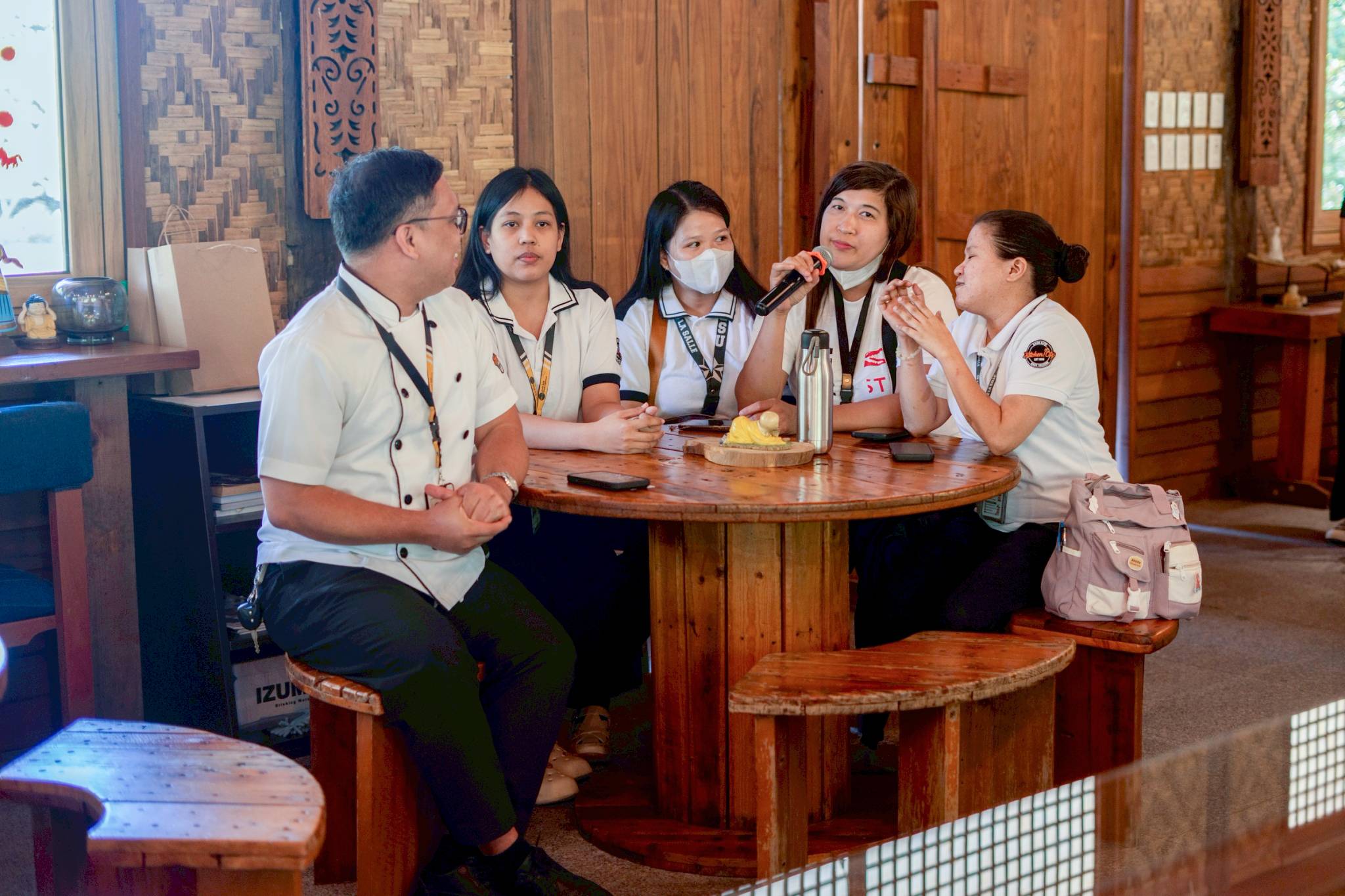 Participants from Kitchen City actively took part in the event. The company is one of the largest food concessionaires in the Philippines, serving various clients, including De La Salle University.
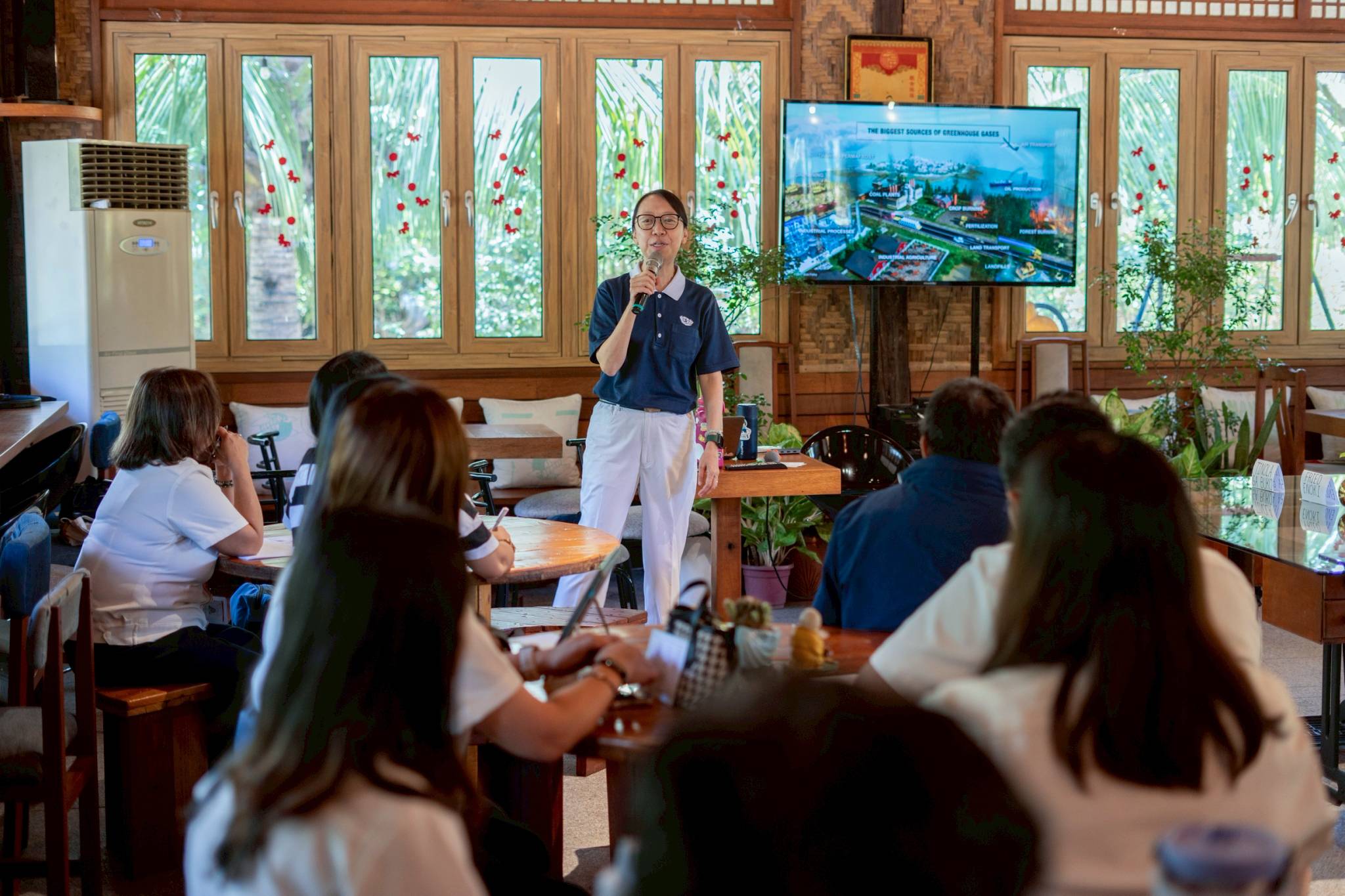 Tzu Chi Deputy CEO Peggy Sy Jiang encouraged attendees to incorporate at least 40% vegetable-based dishes into their menus, highlighting benefits for students, particularly in school settings.
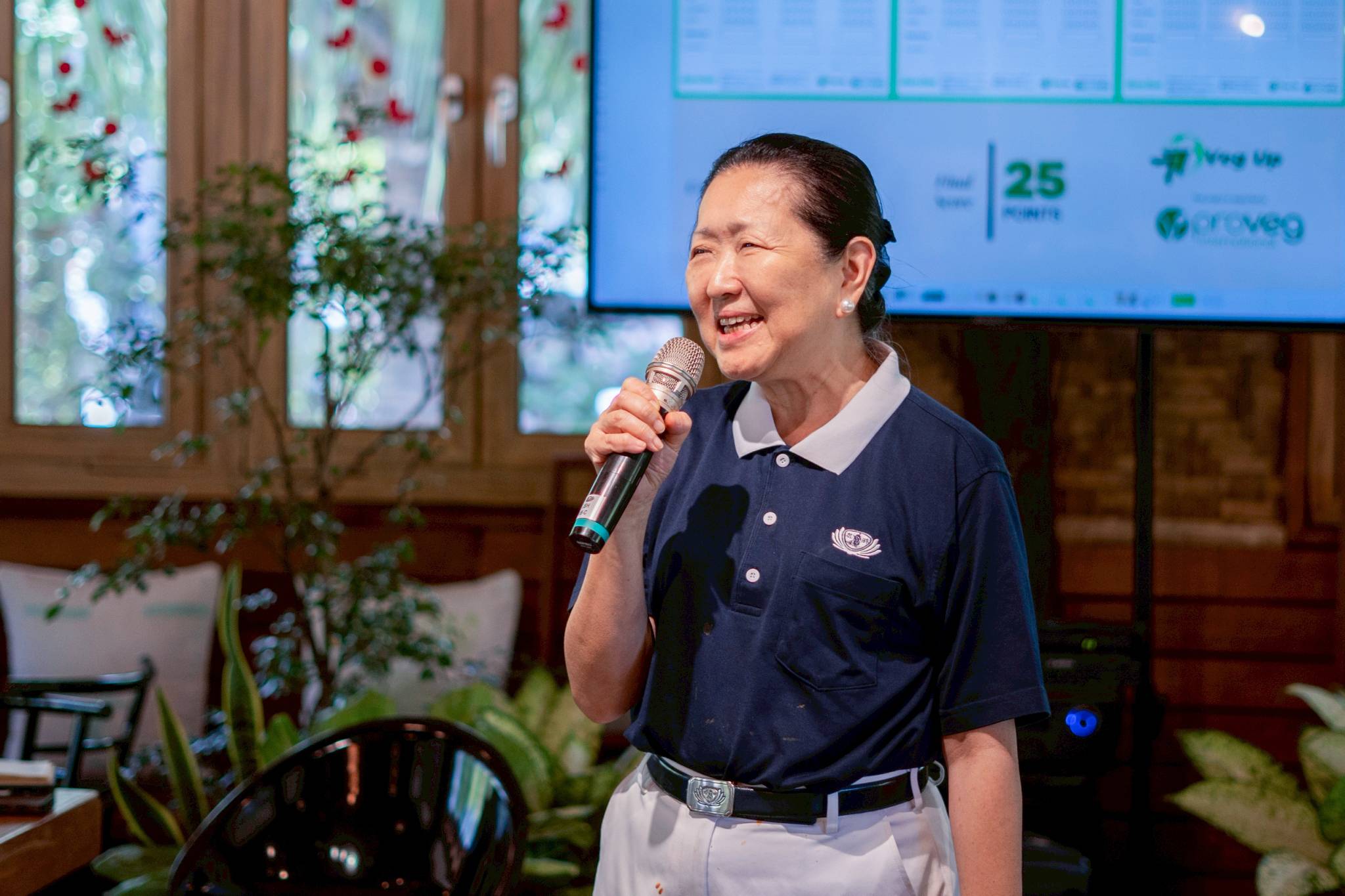 Tzu Chi volunteer Sally Yuñez hopes that younger people will appreciate that a plant-based diet is as good as a regular meat-based diet.
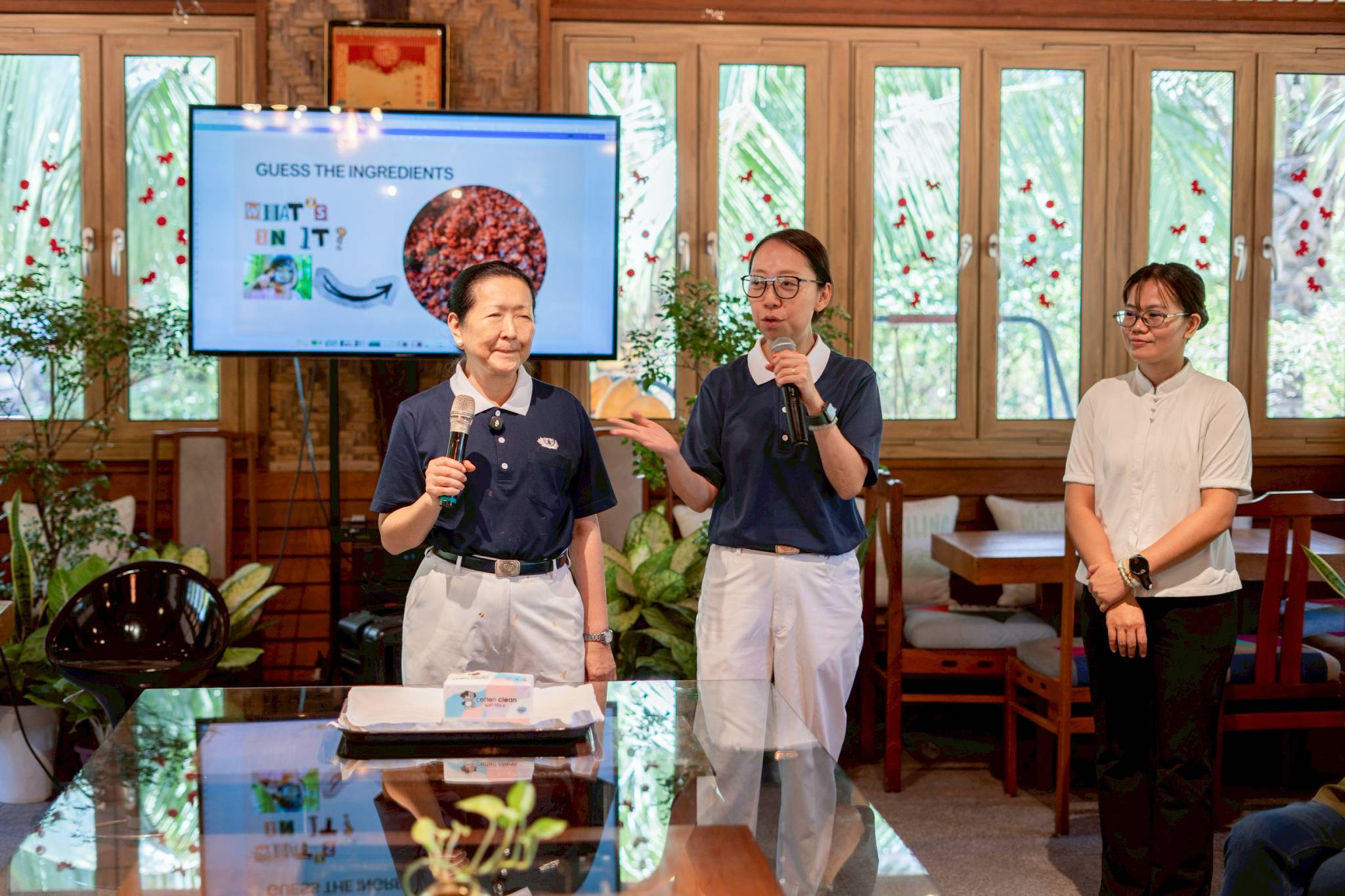 After gathering honest and critical feedback, Veg Up Pilot Plate’s proponents (from left) Sally Yuñez, Peggy Sy Jiang, and Lineth Brondial assured attendees that upon signing a partnership with the foundation, they would benefit from a structured meal plan, reliable suppliers, and proper training to create appealing plant-based meals for university stakeholders.
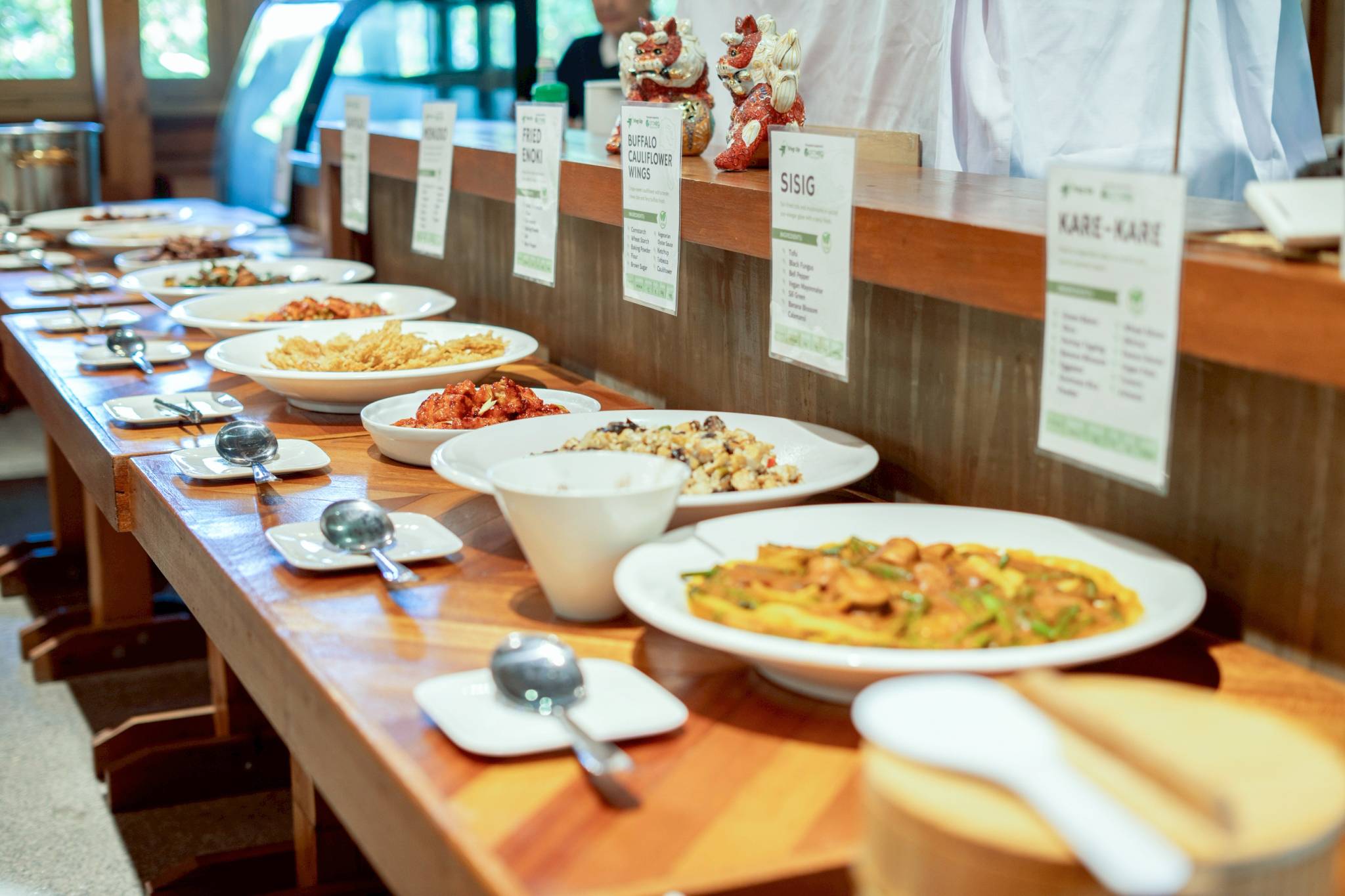 The spread highlighted Filipino favorites, including kare-kare and bistek Tagalog, complemented by entrées like tinolang buko, fried enoki mushroom, and Buffalo cauliflower wings.
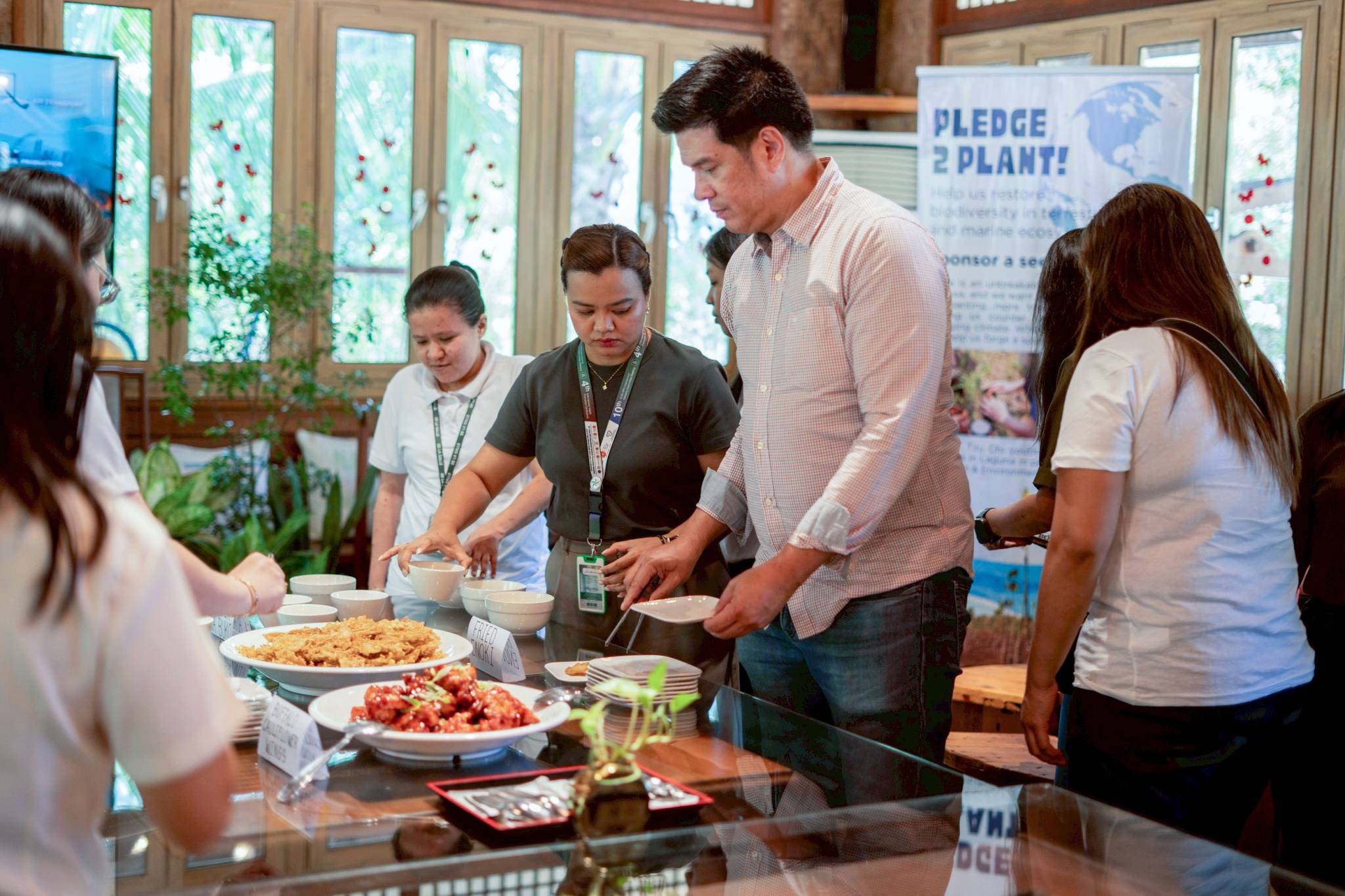 With curiosity and interest, the attendees took small servings to taste and evaluate the food.
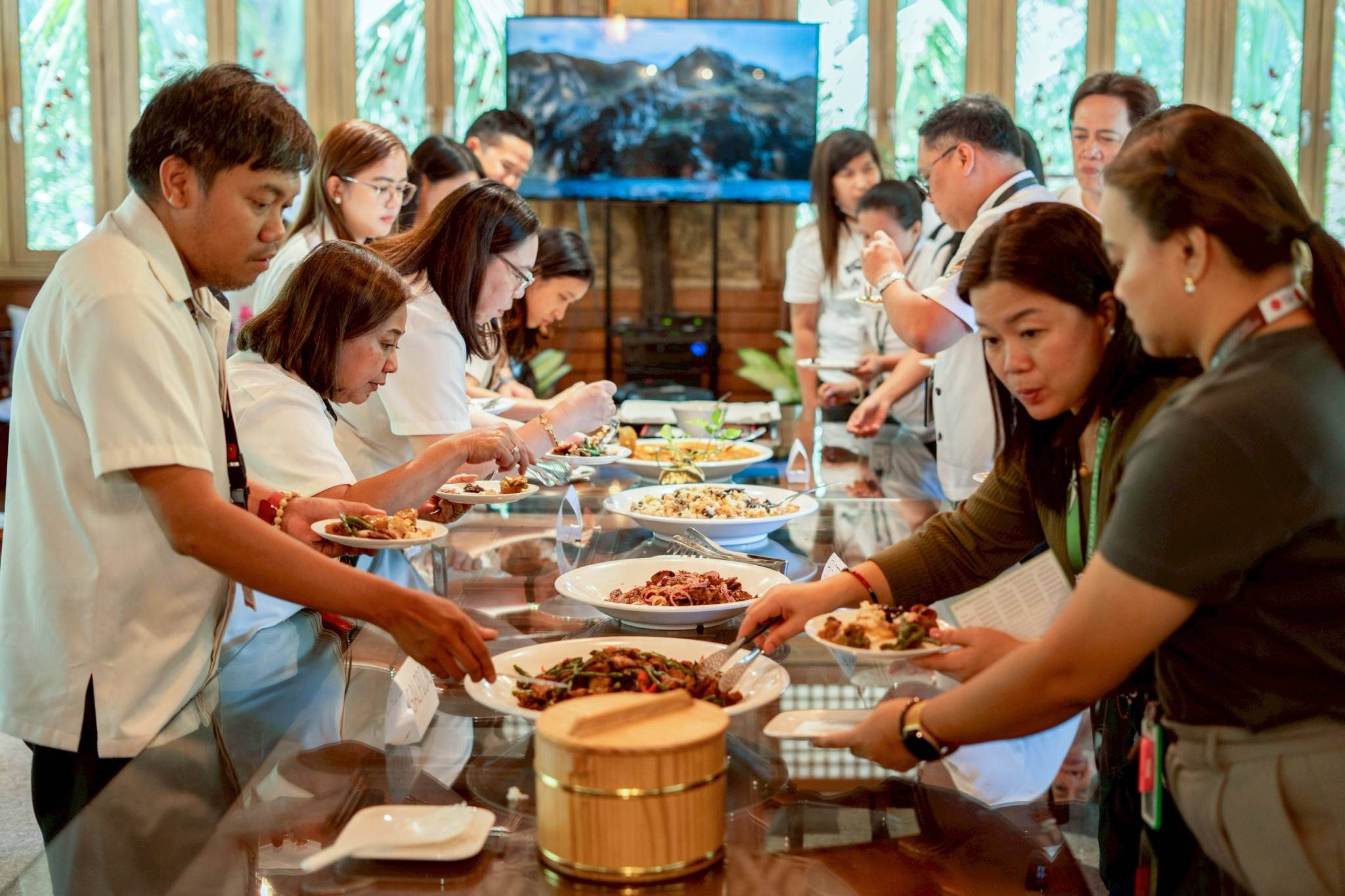 After sampling small portions to evaluate the food, many went back for a second serving of their favorites.
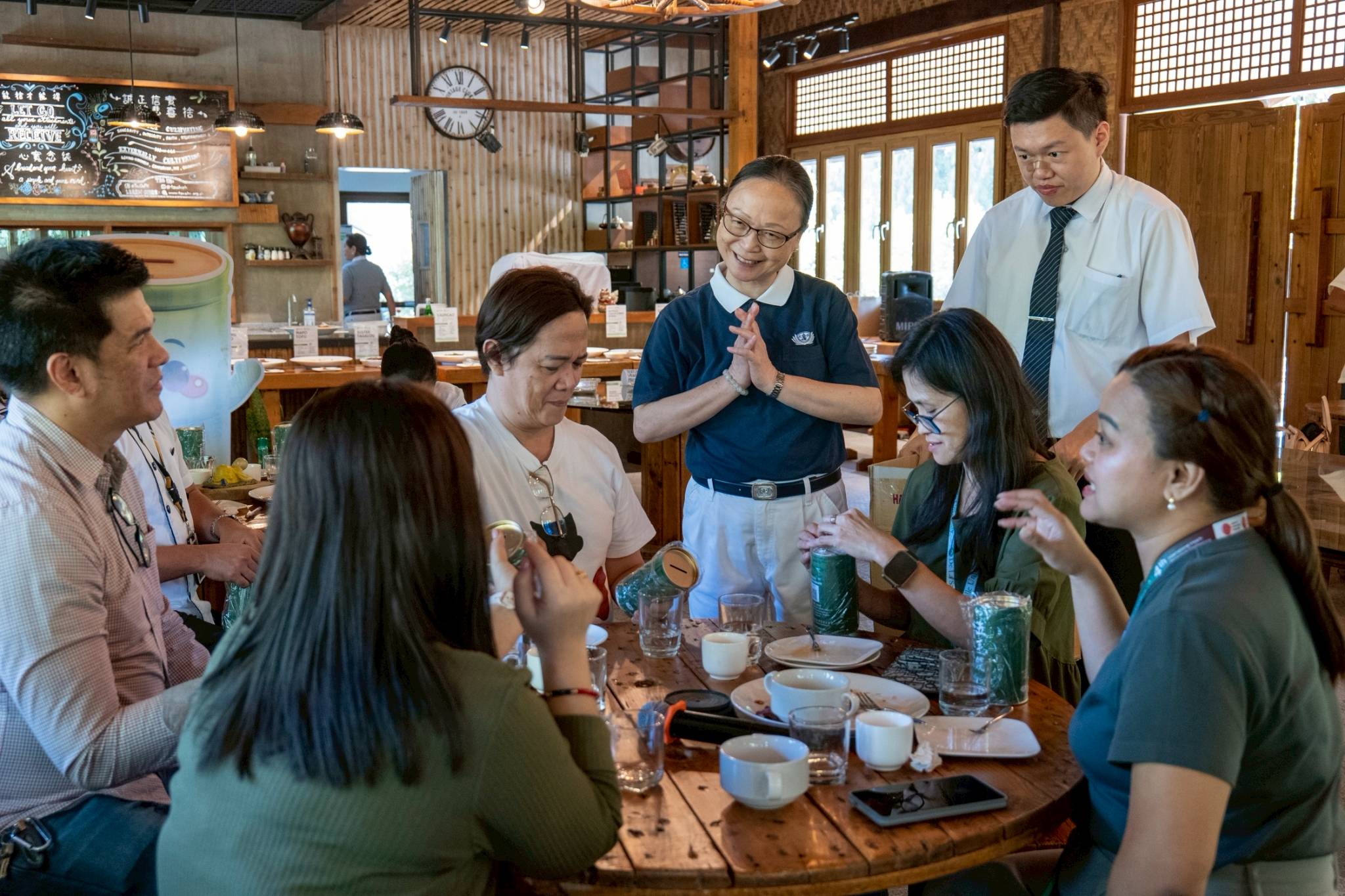 Tzu Chi staff and volunteers went from table to table to address questions about the food.
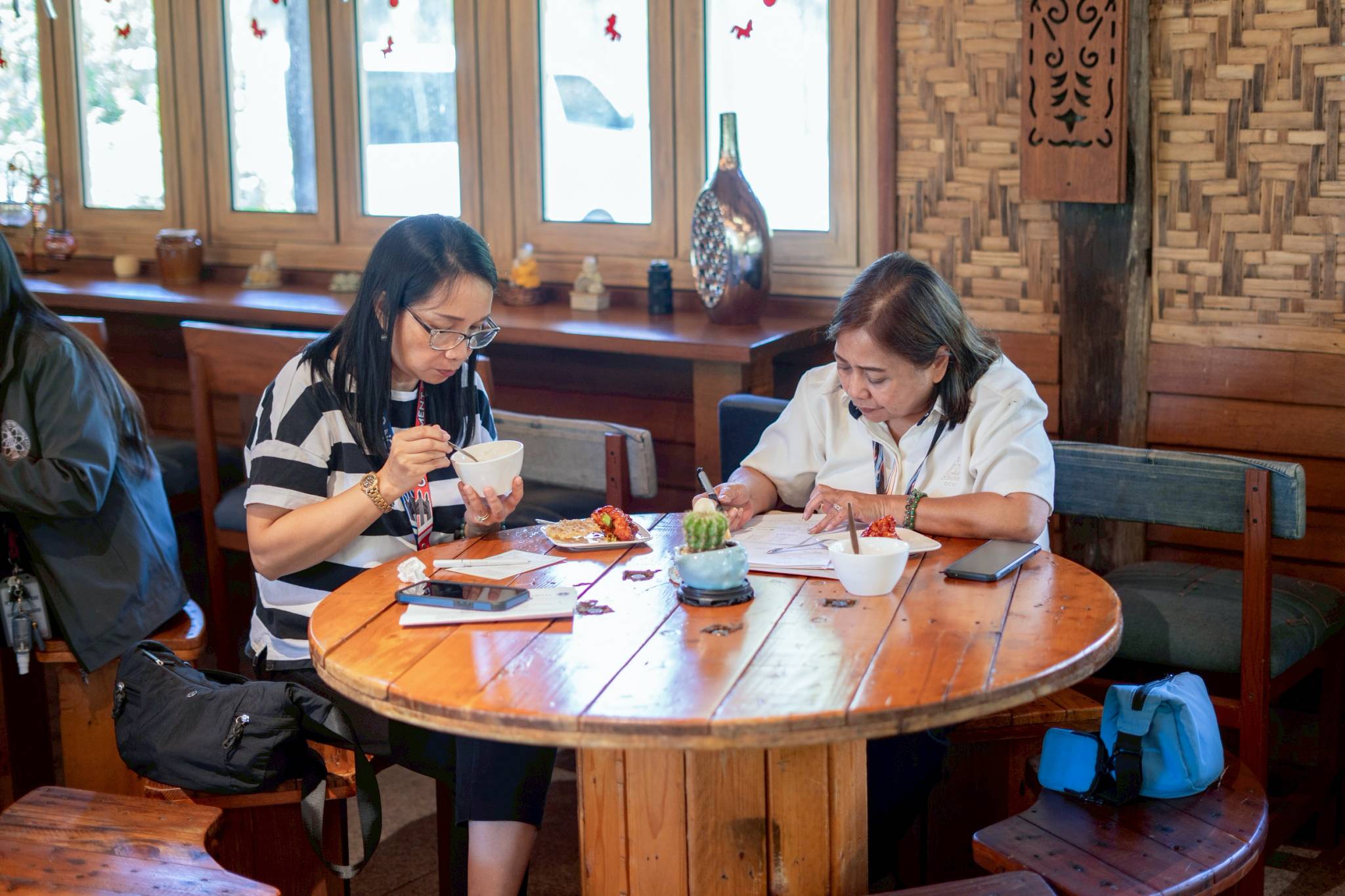 The attendees from Quezon City University took their time evaluating the food, with some being particularly attentive to taste, texture, and finish.
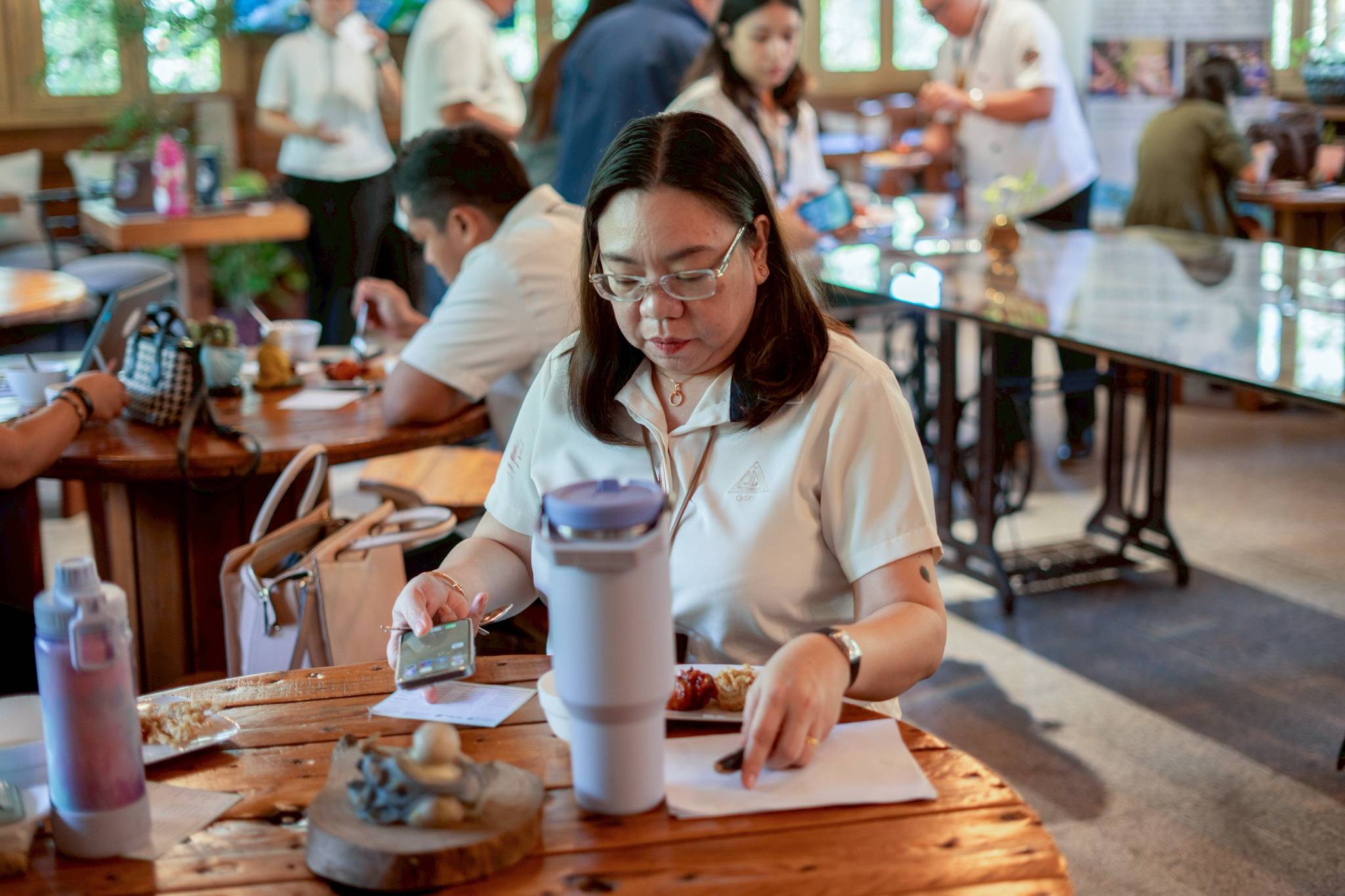 Glenda Rebucas, dean of the College of Business at Quezon City University, shared that she was glad with the experience. She honestly admitted that she is not fond of vegetables, but the experience exceeded her expectations and pleasantly surprised her palate.
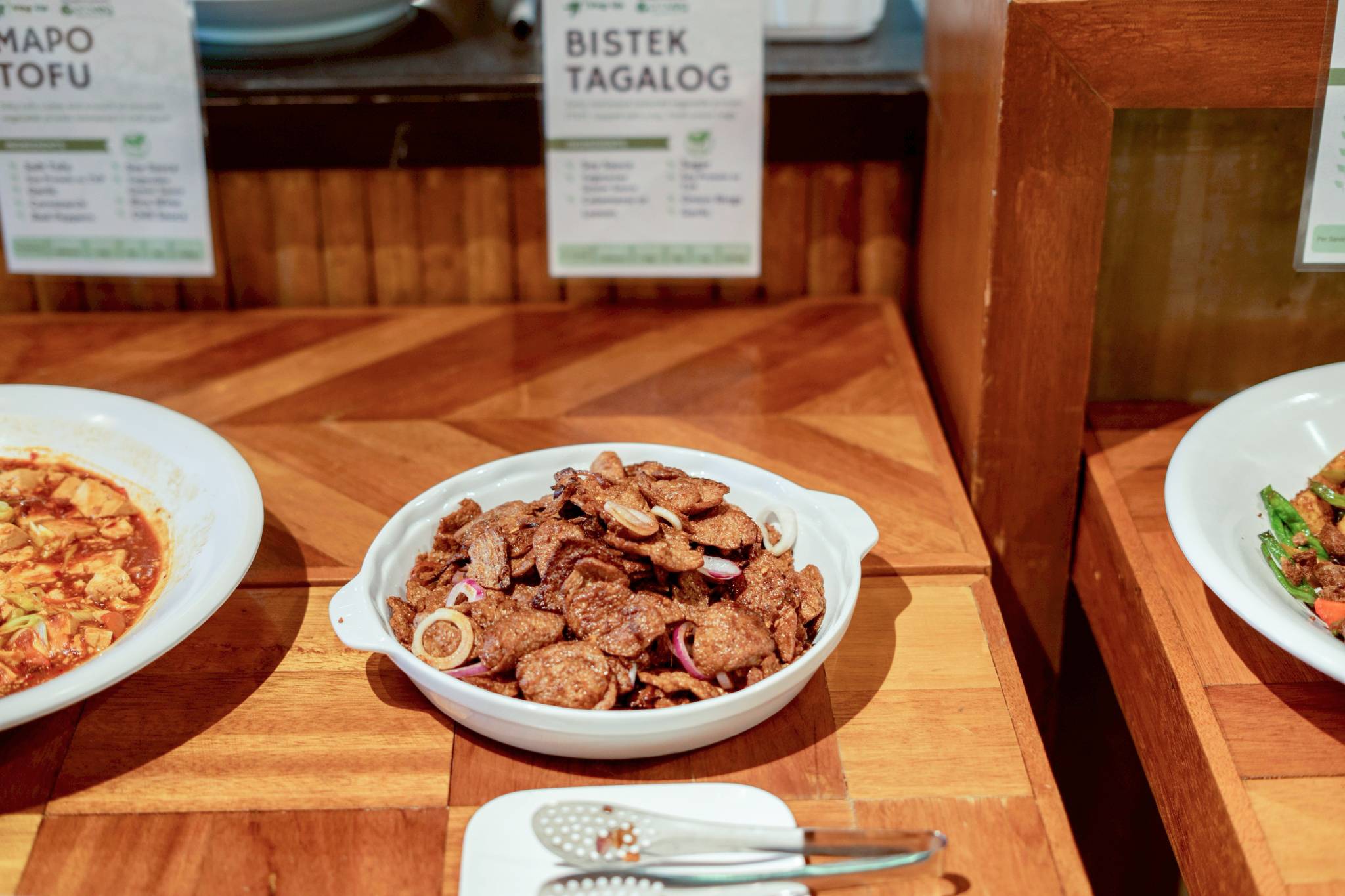 Among the crowd favorites was bistek Tagalog made with textured vegetable protein (TVP), a plant-based meat alternative and a good source of protein, which kept guests coming back for more.
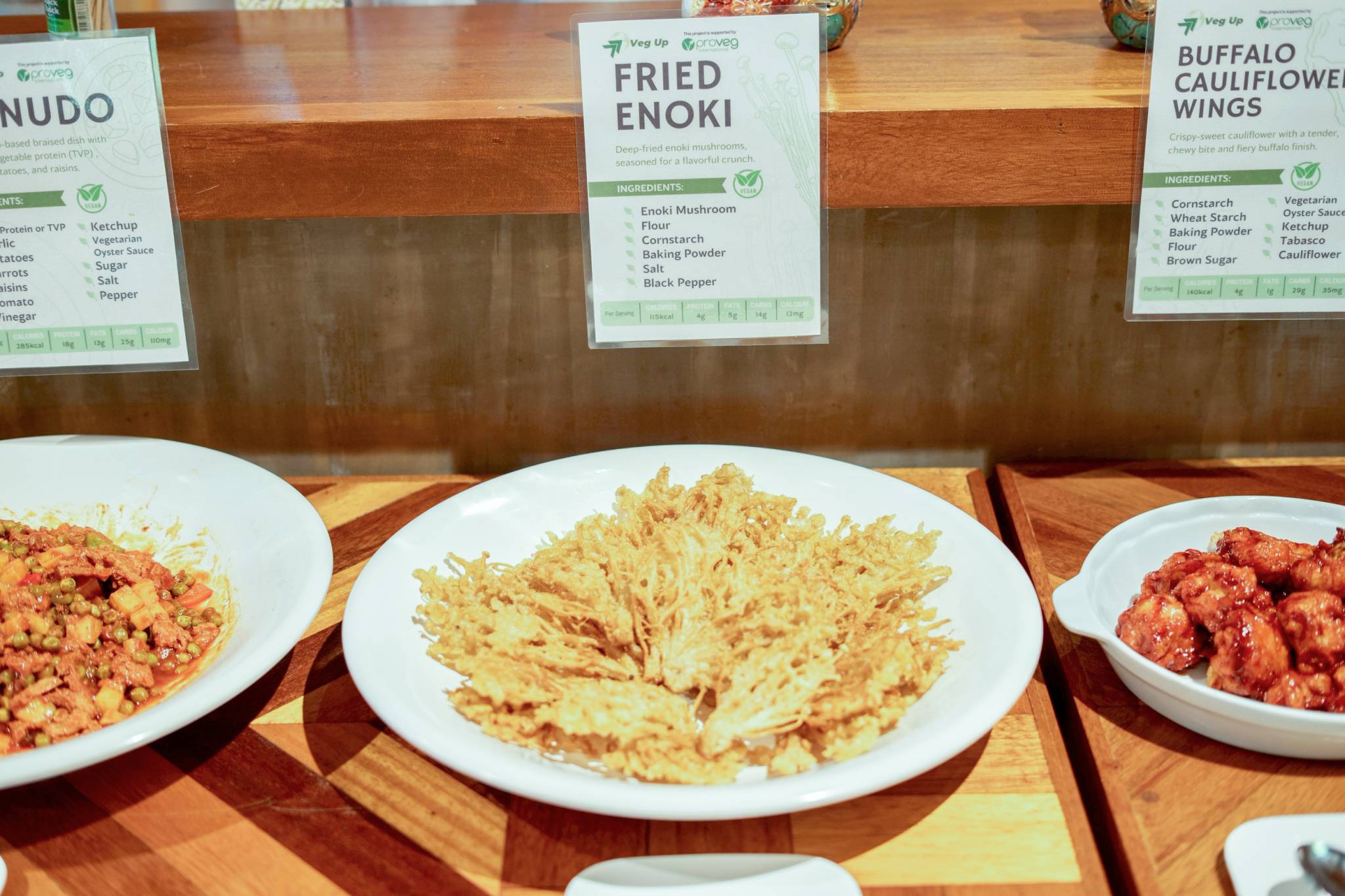 The fried enoki mushroom also stood out as a favorite, a dish already known to the Filipino palate.
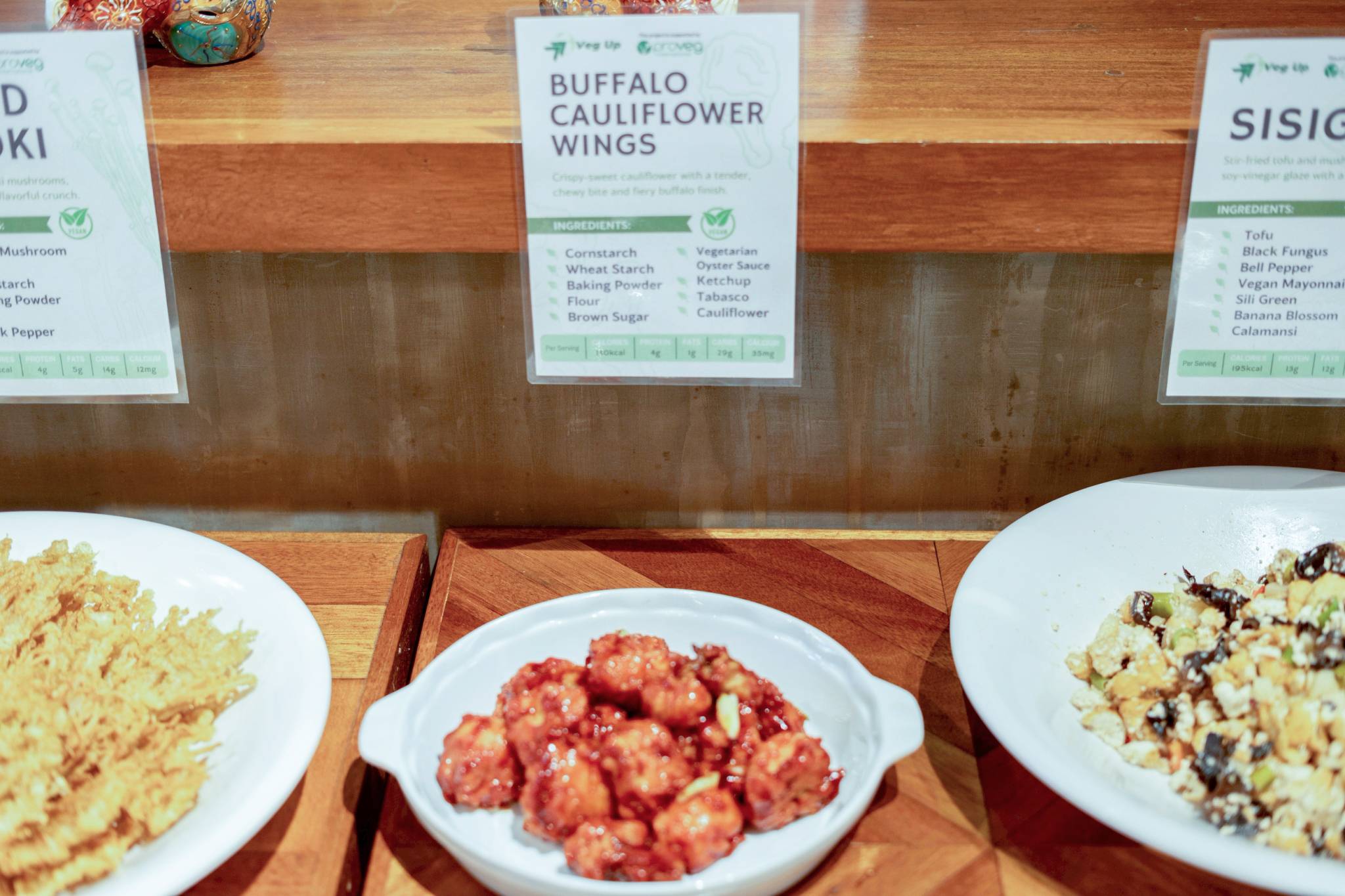 The Buffalo cauliflower wings were a standout for their sweet, sour, and mildly spicy flavor, with many saying they closely resembled chicken wings.
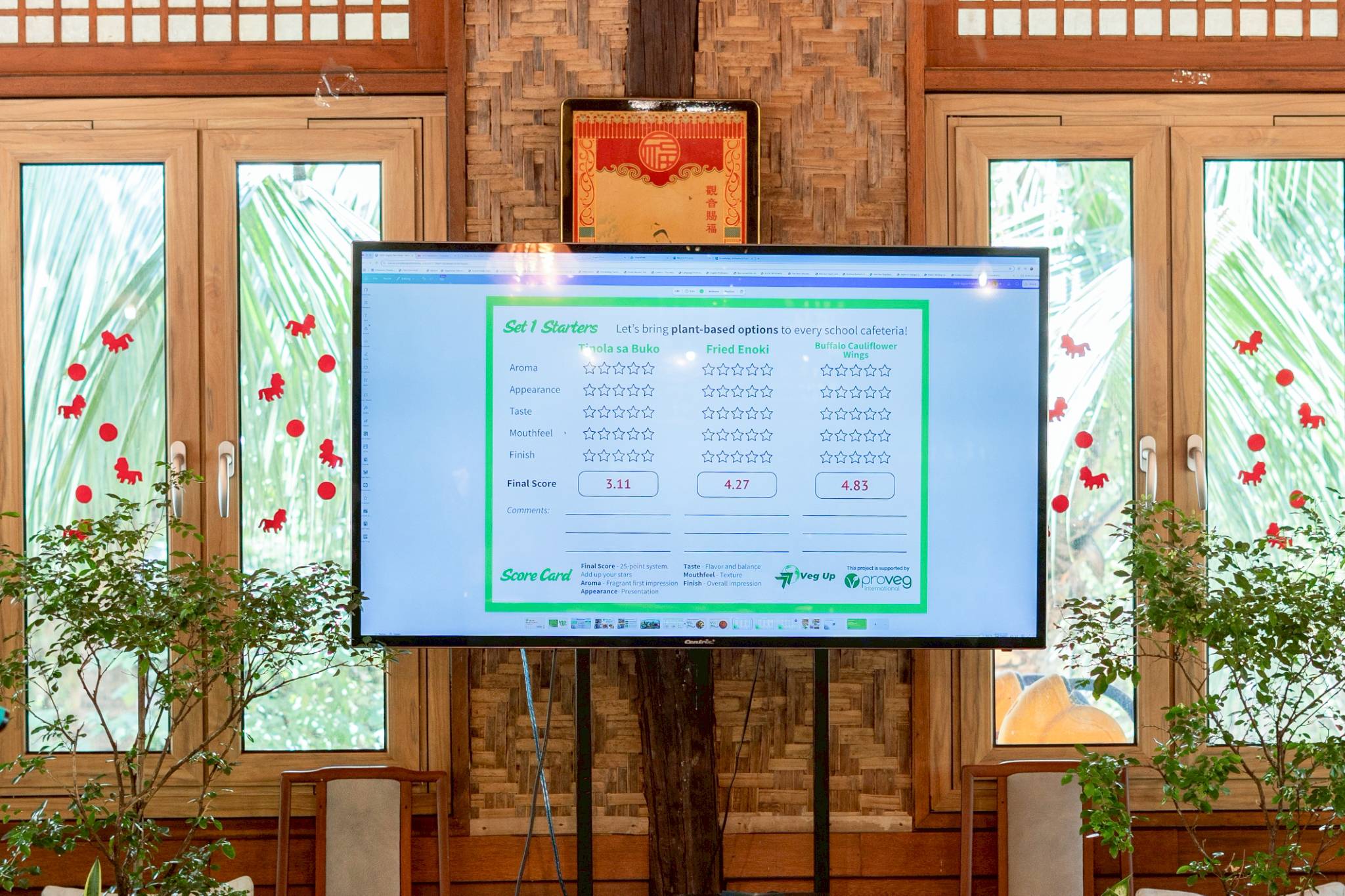 The tallied scores for each dish were displayed, highlighting standout favorites, while some areas for improvement were also noted and received constructively with an open mind.
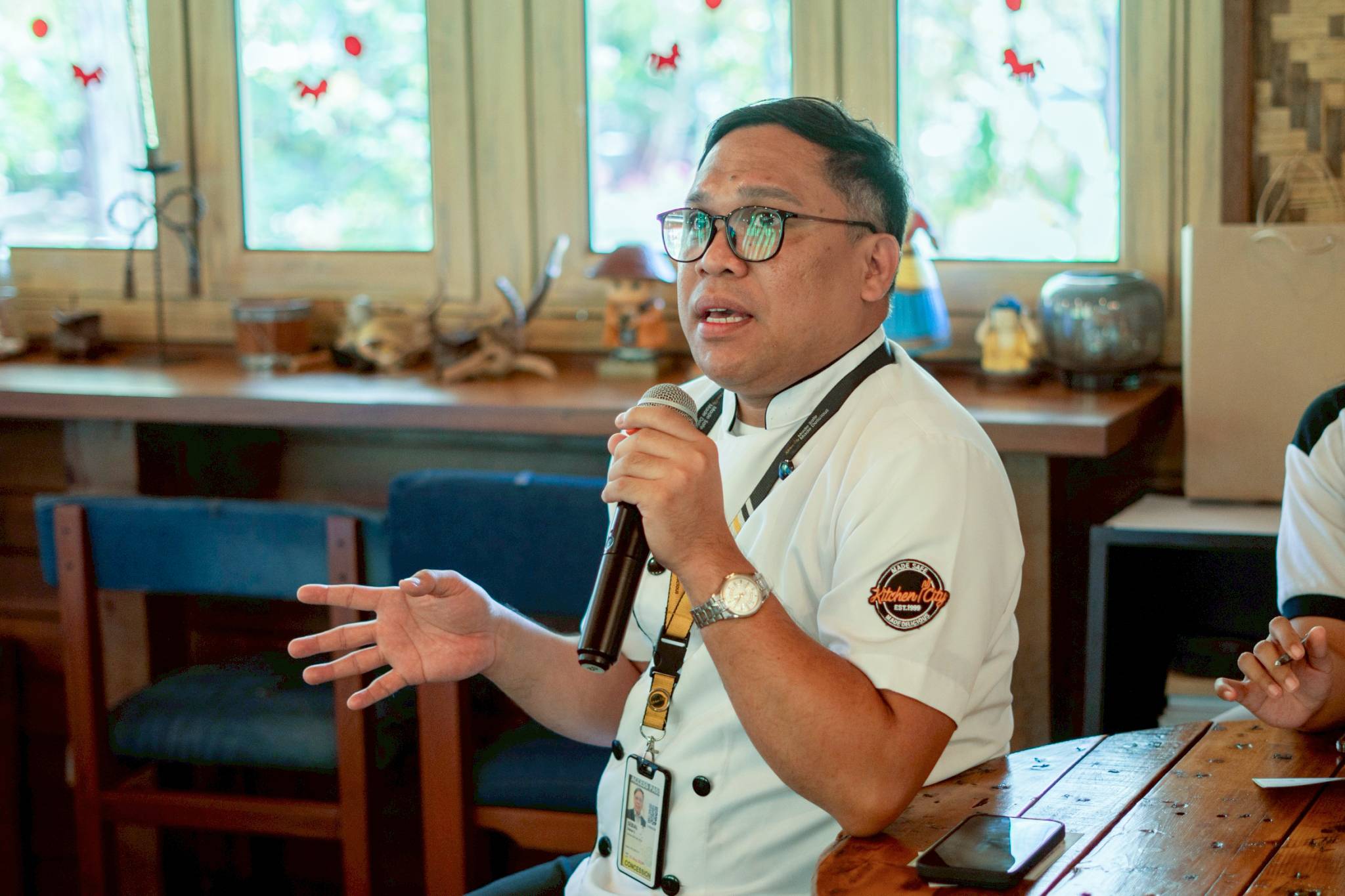 Kitchen City Cafe Area Manager Dexter Sebial shared that the food presented was visually appealing and flavorful. He noted that the event added more to their knowledge of plant-based meals.
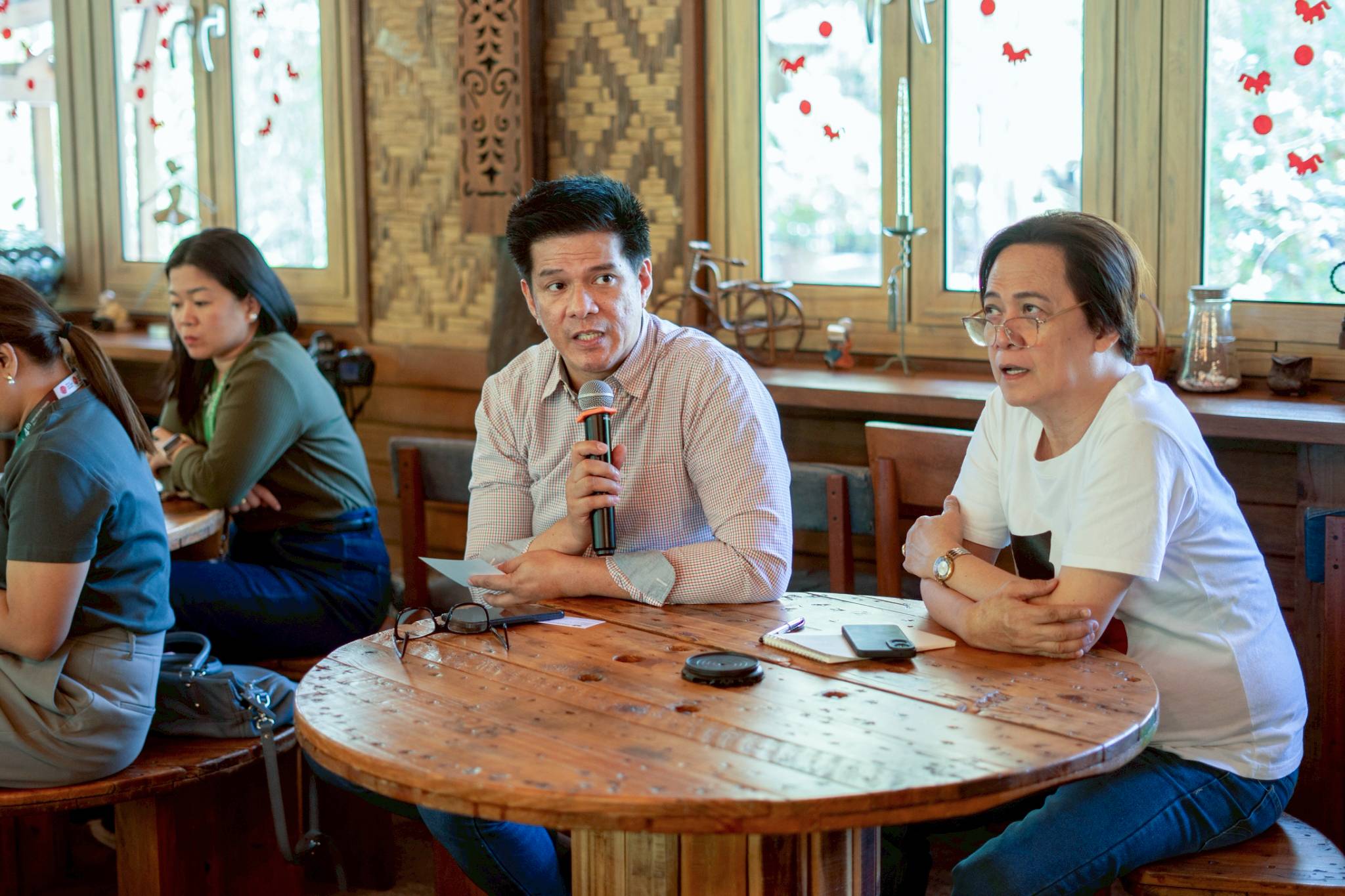 Perico’s Grill owner Jose Perico Marimla shared that he previously tried a plant-based diet for two weeks and is now keeping an open mind about it.
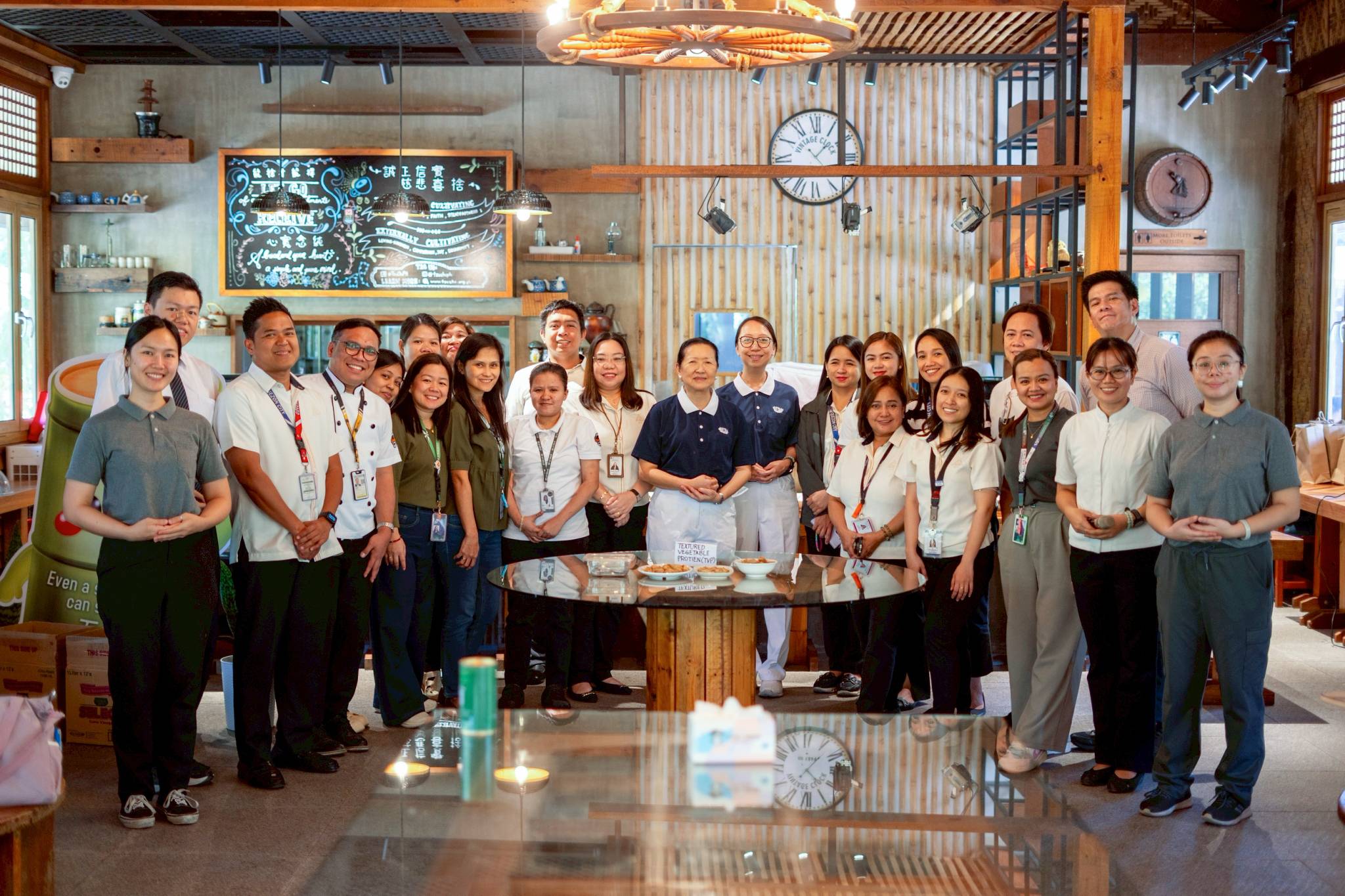 The activity ended on a hopeful note, inspiring a commitment to healthier food options moving forward.