‘We can start making a difference now’
In “Power of Youth,” scholars share their acts of volunteerism
By Joy Rojas
In the busyness of a Tzu Chi scholar’s life—there are academic and extra-curricular commitments to fulfill, responsibilities at home, and for some, part-time jobs—they will always have the time and energy to help others.
In fact, helping is second nature to the youths who are gently reminded time and again that “giving is not the privilege of the rich; it is the privilege of the sincere,” a teaching of Tzu Chi founder Dharma Master Cheng Yen.
“Through Tzu Chi, I realized that a compassionate heart is enough to begin with,” said scholar Diana Abibuag Gonzales. “It only takes one sincere act of kindness, one helping heart, one willing hand, to create a ripple that reaches farther than we could ever imagine.”
This she and other Tzu Chi scholars illustrated in “Power of Youth,” a segment at the 2026 Tzu Chi Scholars’ Camp on July 3-5 at Buddhist Tzu Chi Campus, Sta. Mesa, Manila. Cheered on by fellow scholars from the National Capital Region, Pampanga, Bicol, Leyte, Cebu, Zamboanga, and her native Davao City, Gonzales was among the speakers who reported on the acts of volunteerism in their respective chapters.
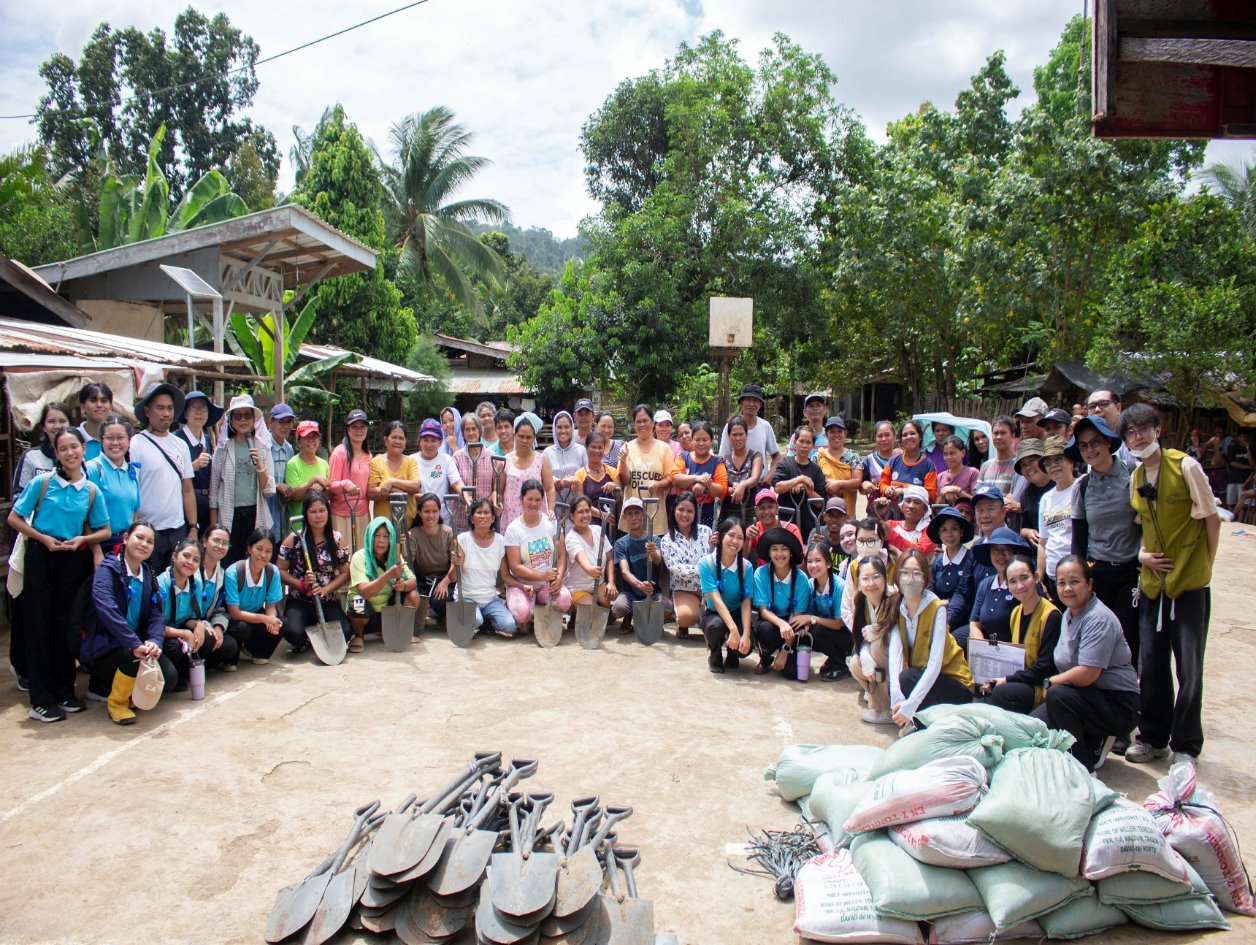
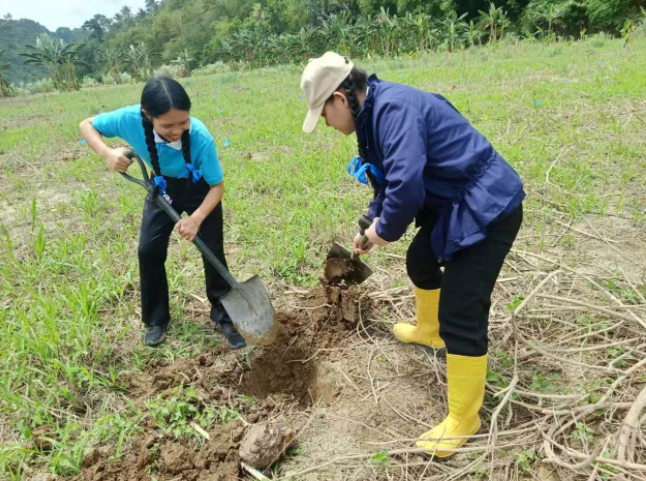
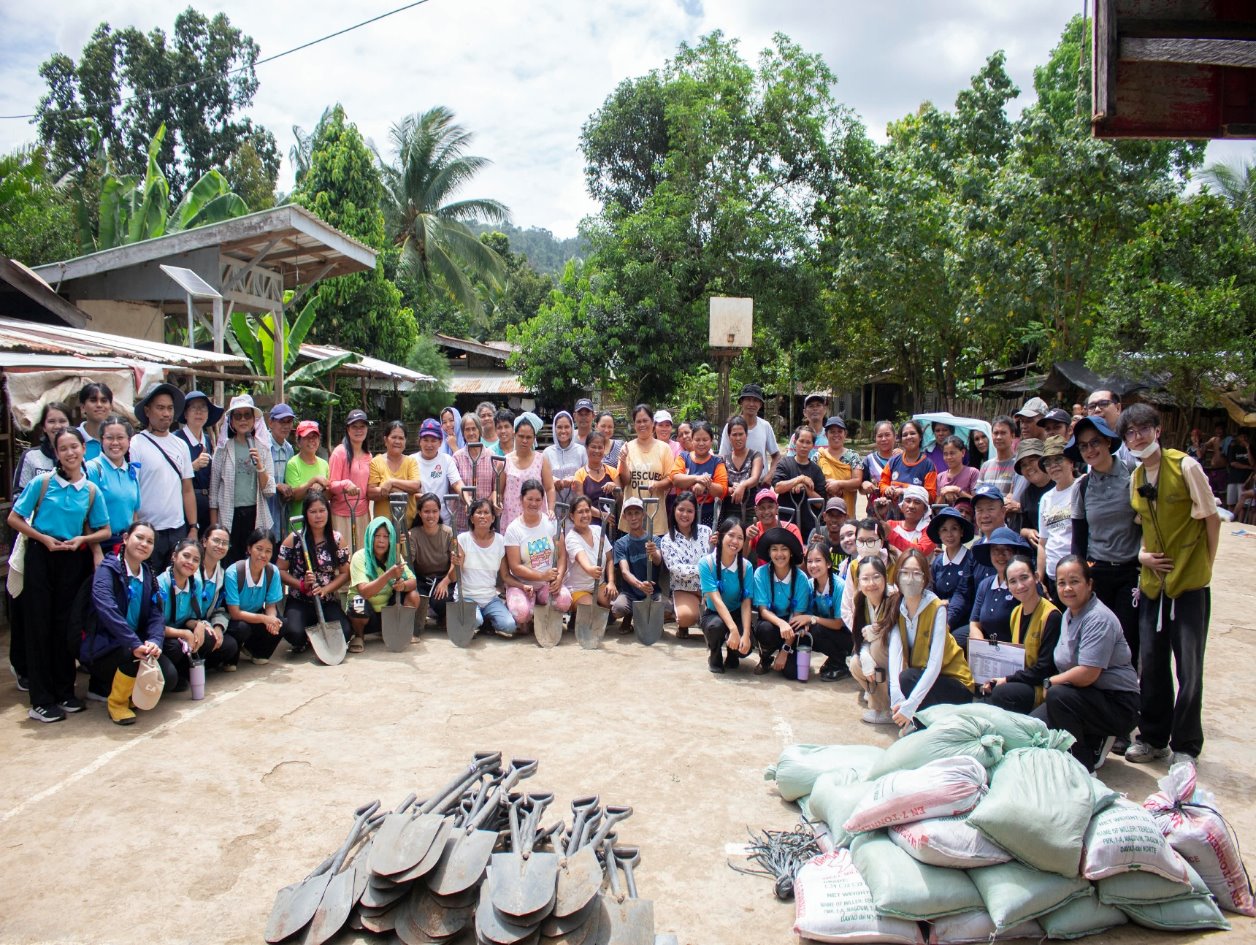
In March, Davao scholars participated in Seeds of Change, a banana seedling planting and shovel distribution project that benefited 98 Ata Manobo farmers from Sitio Matol in Barangay Gupitan, Kapalong, Davao del Norte. For the disadvantaged residents of Home for Girls, they brought gifts and organized fun activities. Recently, they assisted Tzu Chi’s earthquake relief efforts in General Santos City.
For her part, Gonzales promotes and teaches basic sign language through Kamay Gabay, an organization she founded and leads.
“People often say that the youth are the future,” she said. “Through Tzu Chi, I realized that we are also the present. We do not have to wait until we are successful professionals, wealthy individuals, or influential leaders before we can start making a difference. We can begin now.”
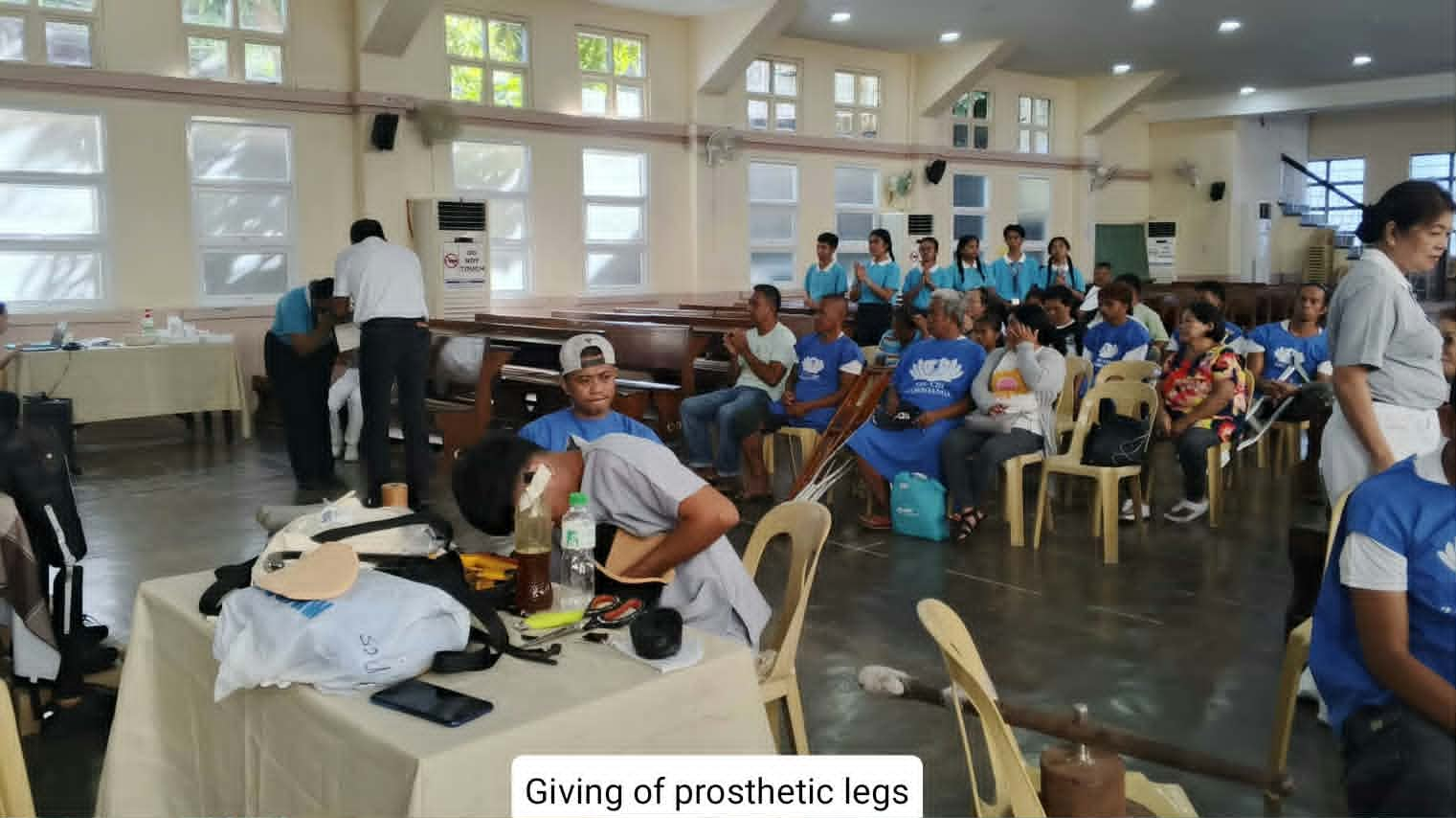
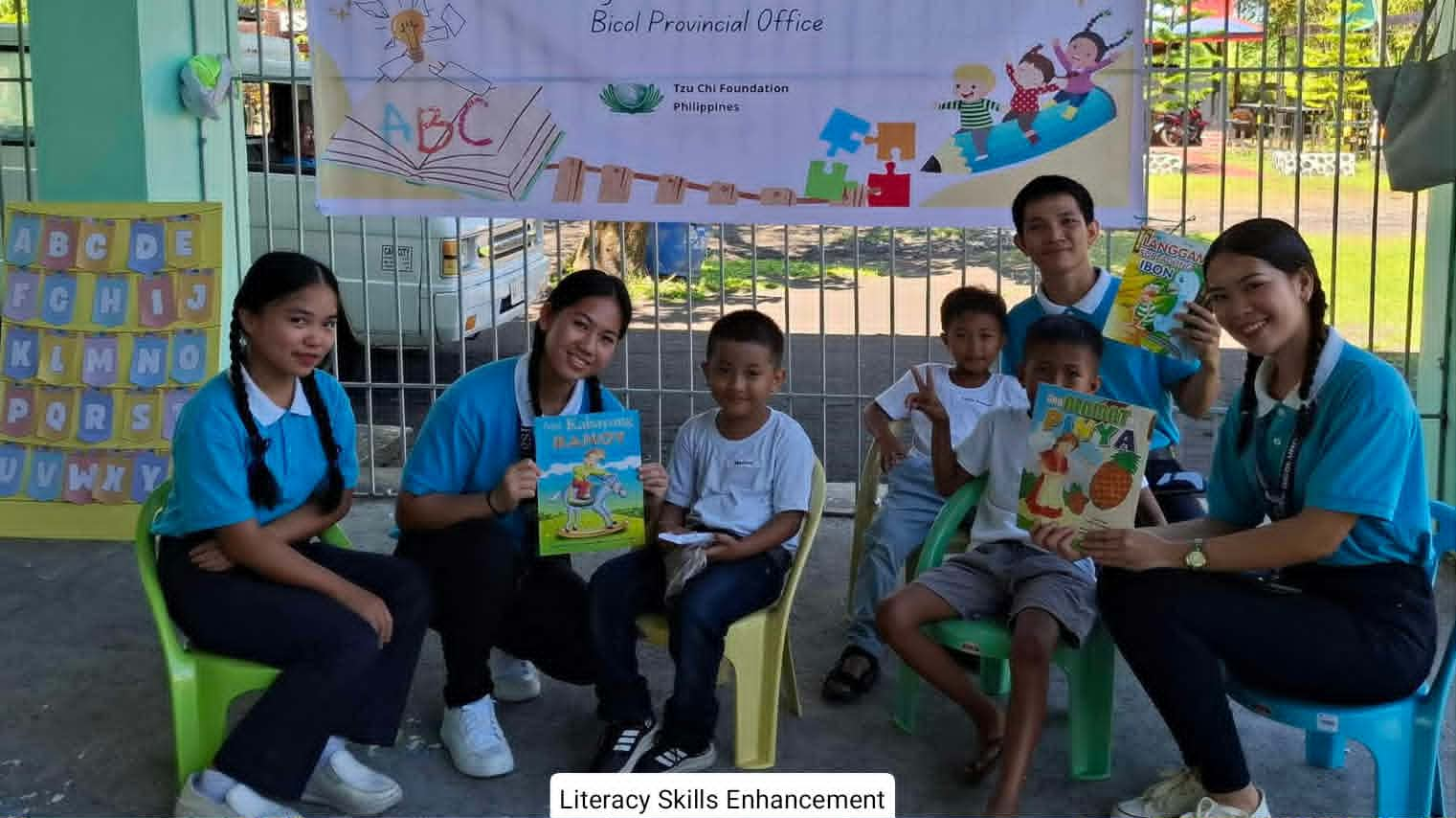
In Bicol, scholars routinely join Tzu Chi volunteers in relief programs for families affected by typhoons and volcanic eruptions. They hosted Christmas parties and a literacy skill enhancement program for children in Tzu Chi villages, and assisted Bicolanos in Tzu Chi’s Jaipur prosthetic limbs program
Moved by the dedication and selflessness of his “uncles” and “aunties,” scholar Jazeel Ibay extends community service through his own initiative. He helps victims of disasters through the Tabaco, Albay-based 222 Rescue Civic Organization, and a group of fellow youth leaders called the Education Club.
The project close to his heart is “One Peso, One Step,” a fundraising campaign for a friend who figured in an accident that left her with fractures in her legs. To help cover the cost of her surgery, Ibay applied the principle behind Tzu Chi’s coin bank.
“Through the generosity of many people, we were able to gather a significant amount,” he said. “We also gave others the chance to do good deeds. Because of this, many people were able to do something good—even though it’s something as simple as going around the campus to ask for help or donating a single peso.”
In Cebu, another province frequented by disasters, Tzu Chi scholars waste no time in facilitating relief programs. Following the 6.9 quake that rocked the northern part of the province in September 2025, they conducted an ocular survey of affected areas, repacked rice for displaced residents, and cut tarpaulin to serve as roofs for their temporary shelters. To fast-track the distribution of aid after a typhoon, they encoded over a thousand beneficiaries’ names, a task that took a day to complete.
Many of Cebu scholars’ volunteer work target the youth. They painted the walls of Pulpogan National High School with Jing Si aphorisms, uplifting messages that will hopefully stick in the minds of the people who see them. They spoke to students on the importance of recycling, then taught them how to make wind chimes out of discarded items. After a talk on urban gardening and mangrove replanting from a resource person from the Mandaue Agriculture’s Office, scholars participated in the planting of 300 mangrove seedlings.
“Compassion is nothing if we don’t teach it to the younger generation,” said Tzu Chi Cebu scholar Andrel Arreglado.
It’s actions like these—all done voluntarily, whole-heartedly, and without asking for anything in return—that ensure Master Cheng Yen’s teachings live on in the words and deeds of the communities touched by scholars’ kindness and care.
“It is tiring, yes,” confessed Arreglado. “But every time we see the smiles of the people we encounter, we think that everything becomes worthwhile. It reminds us that there is still hope, there is still light, and that is us, the next generation.”