Plant-based bistek Tagalog, BBQ, tinola score high at ‘Veg Up!’ tasting event
News flash: Representatives from schools and NGOs participate in the program
By Joy Rojas
Filipinos love bistek Tagalog, pork barbecue, and chicken tinola. Would they love them as much if they were prepared without animal meat?
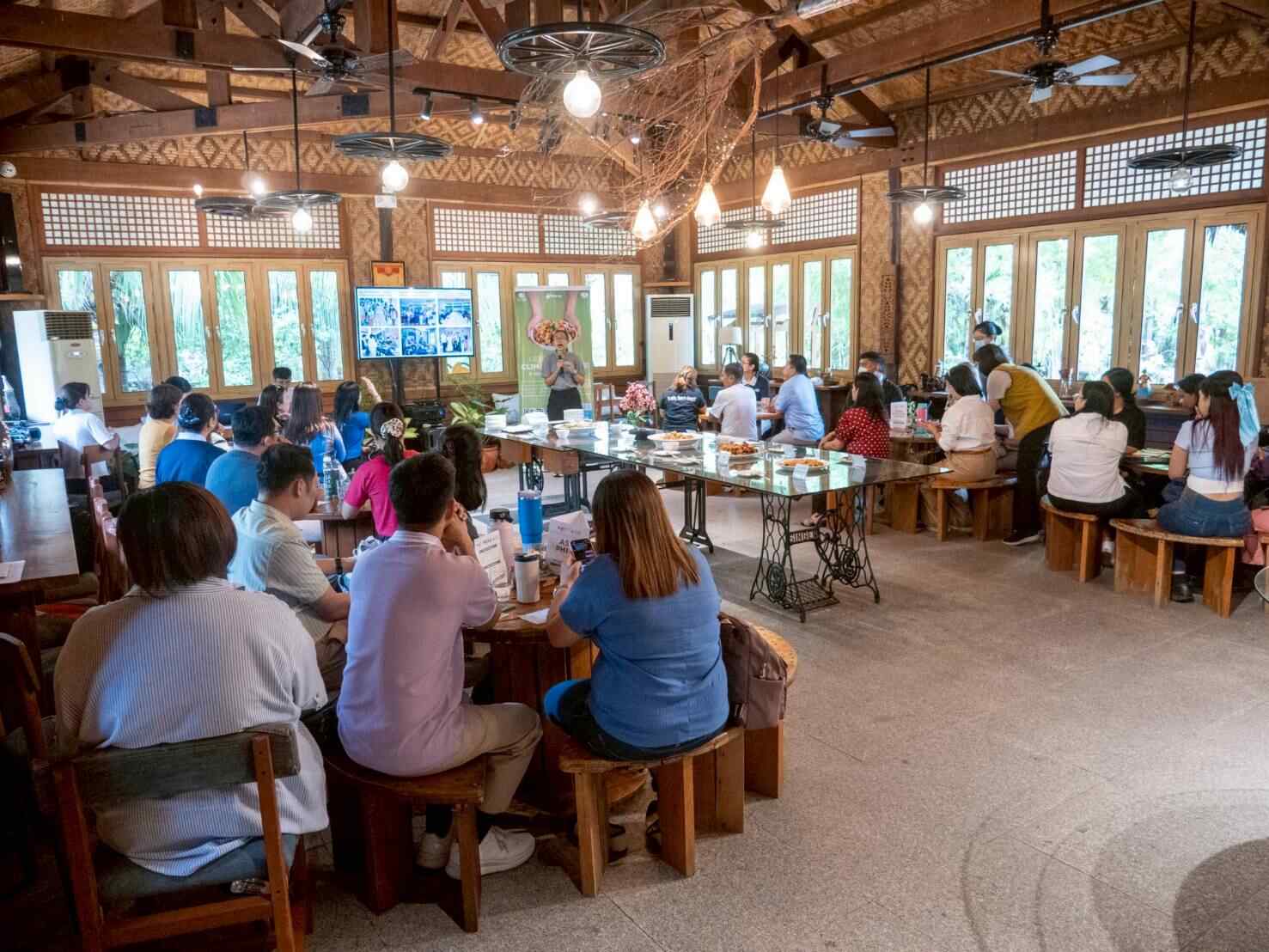
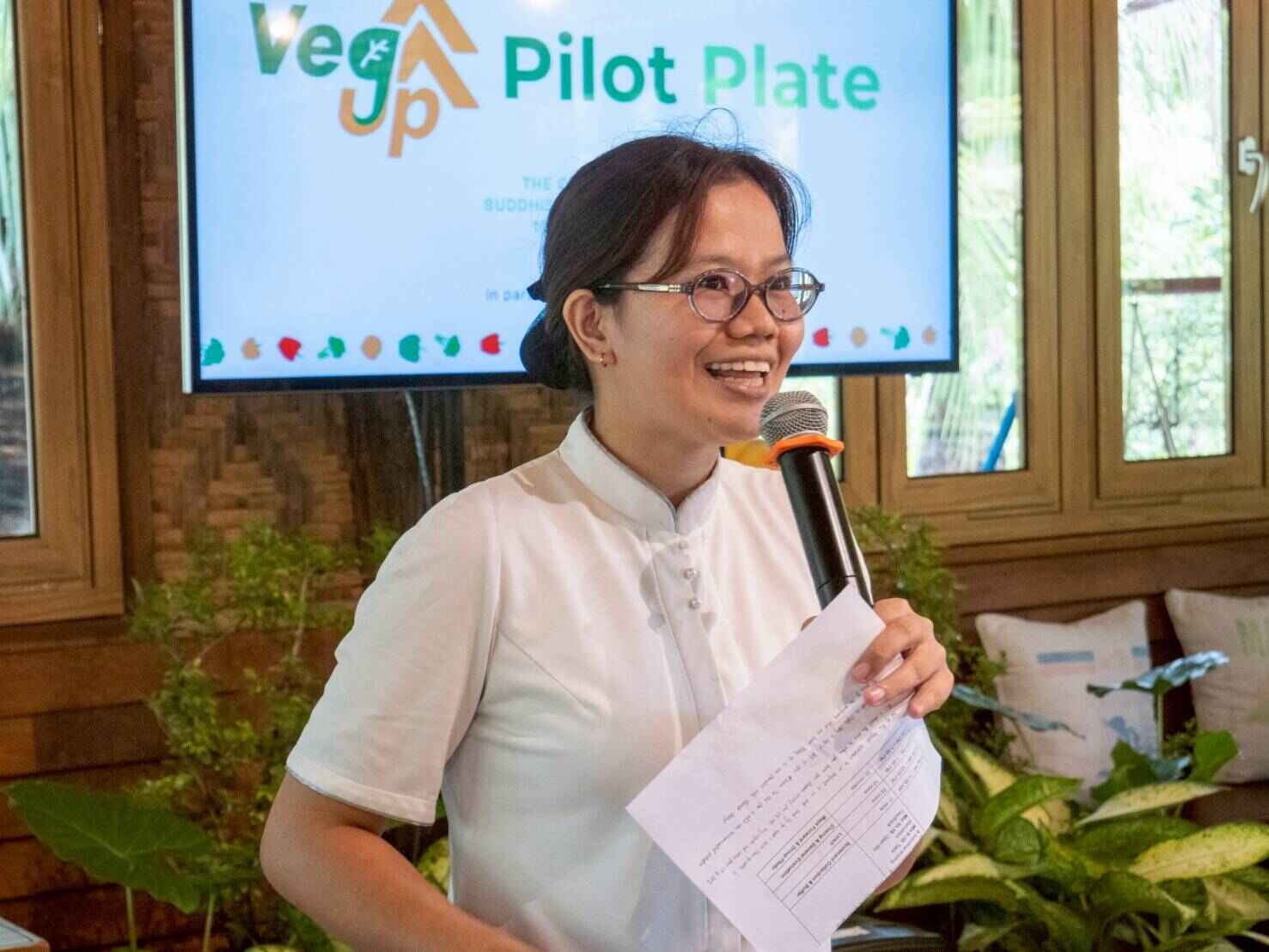
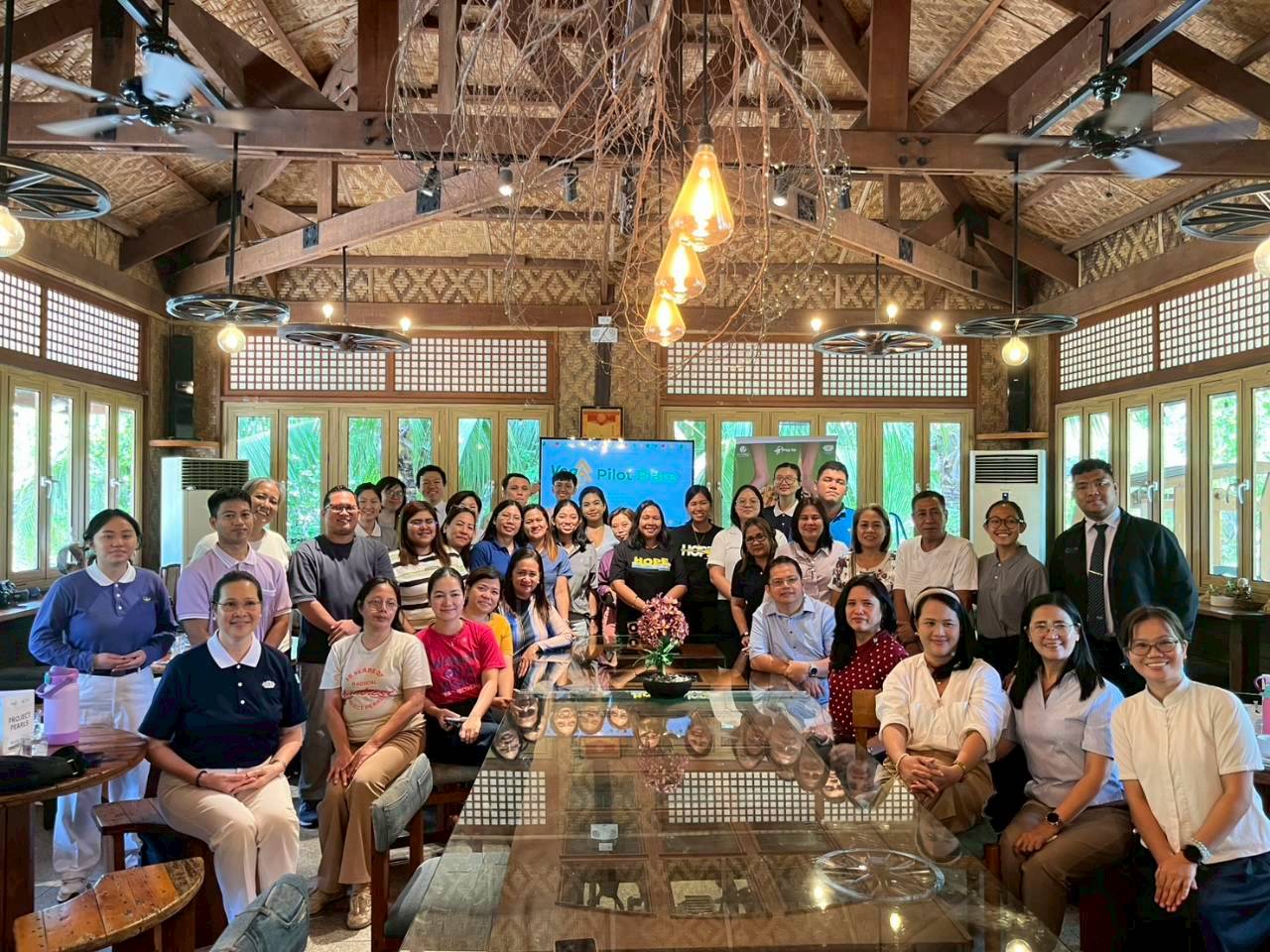
Yes, judging from the high scores the plant-based versions of these dishes received from guests at Tzu Chi’s “Veg Up! Pilot Plate Tasting Event” organized on June 26 at the café in Buddhist Tzu Chi Campus, Sta. Mesa, Manila.
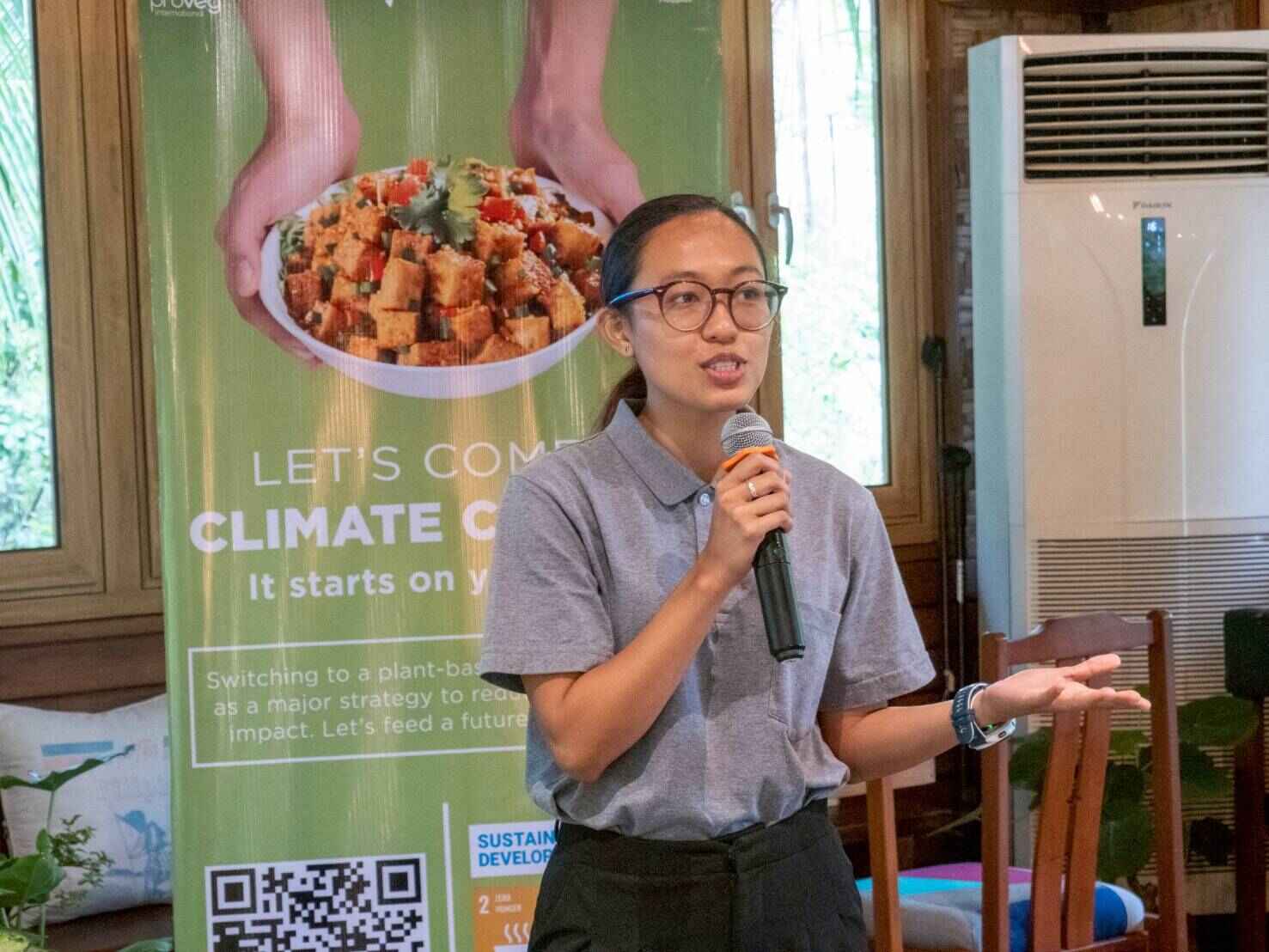
Supported with a grant by global food awareness organization ProVeg International, Tzu Chi’s “Veg Up!” aims to transform 40% of the meals in school canteens into plant-based foods. The initiative is said to promote student health, environmental sustainability, and a friendly food culture.
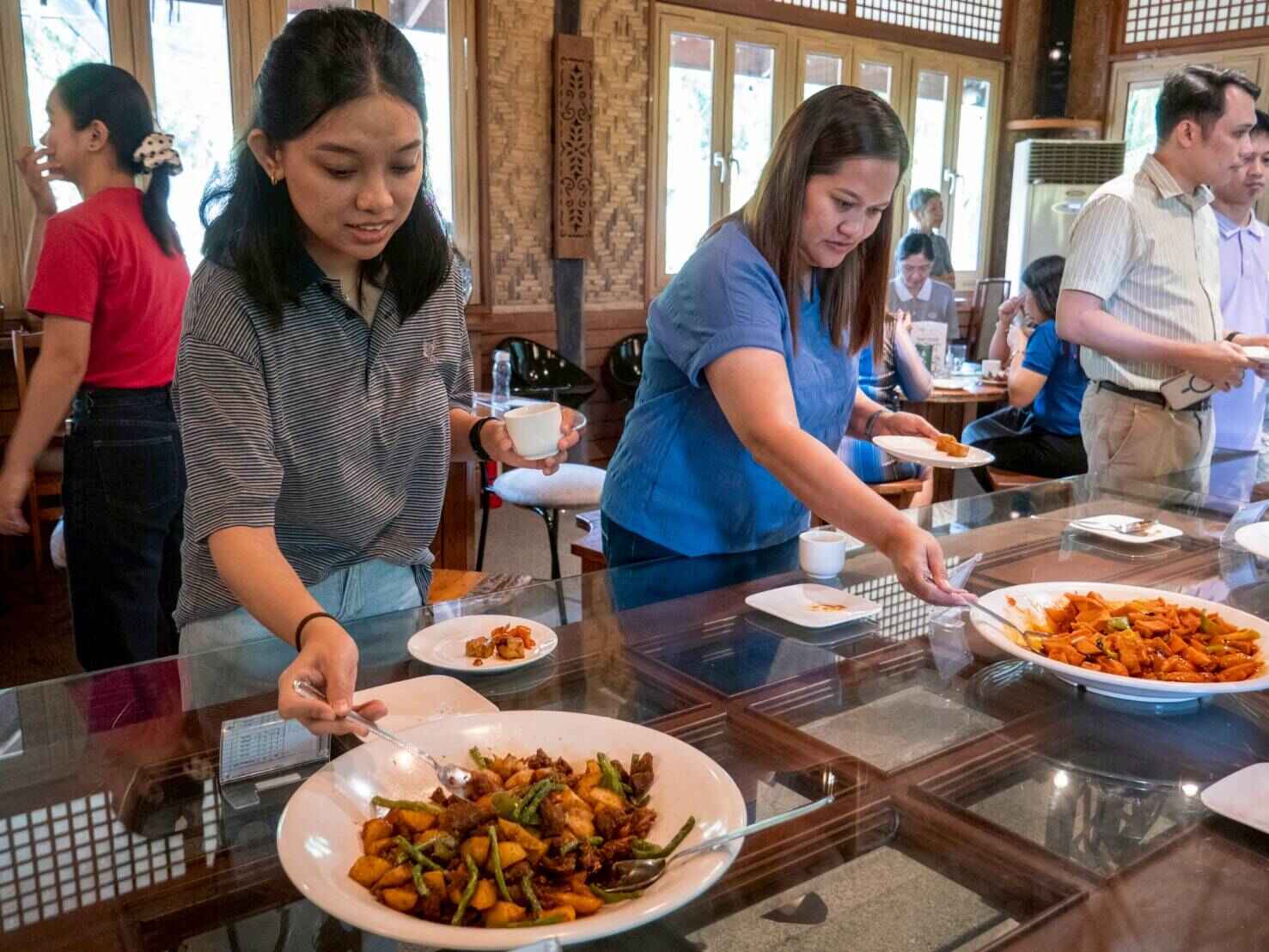
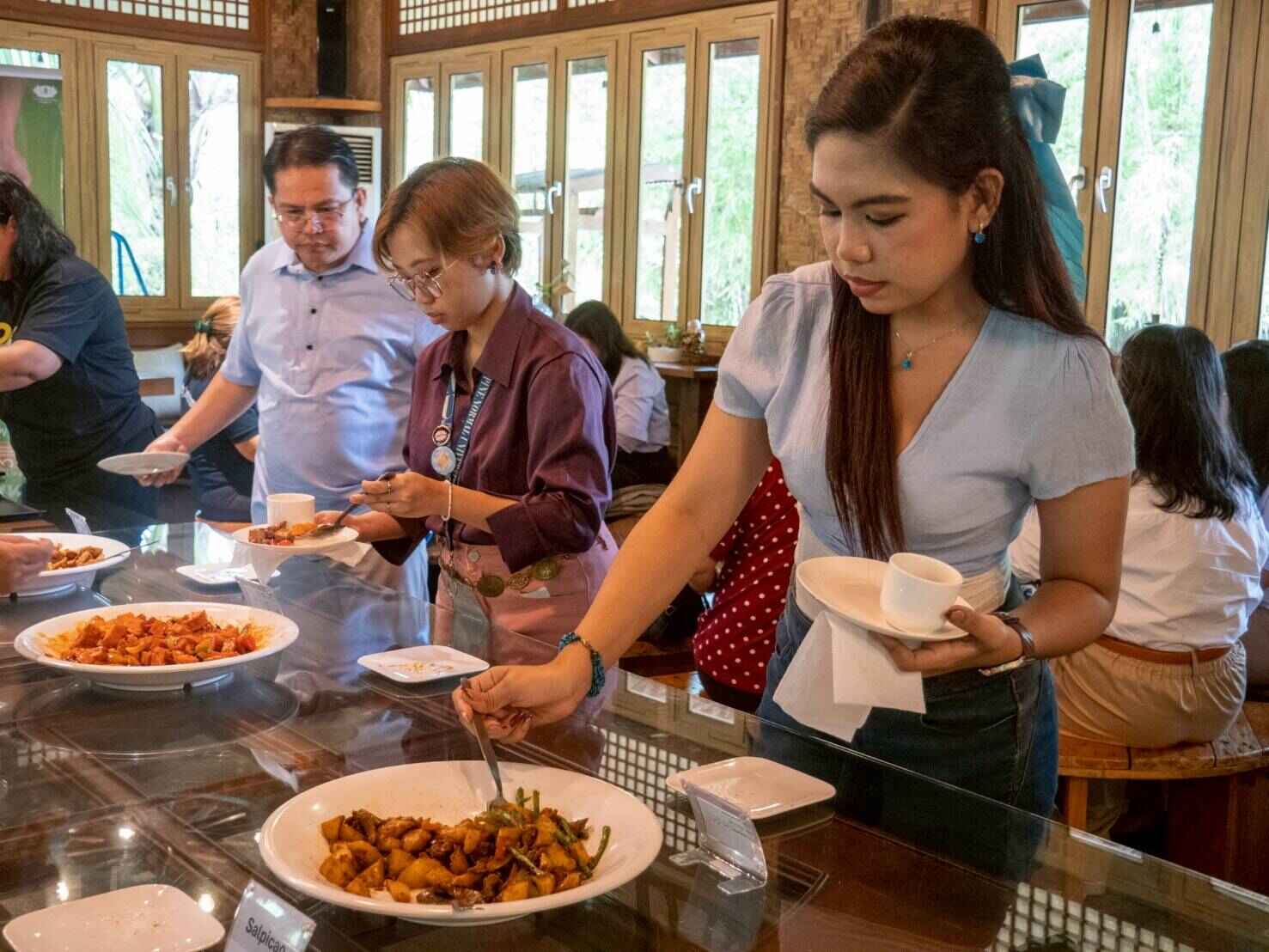
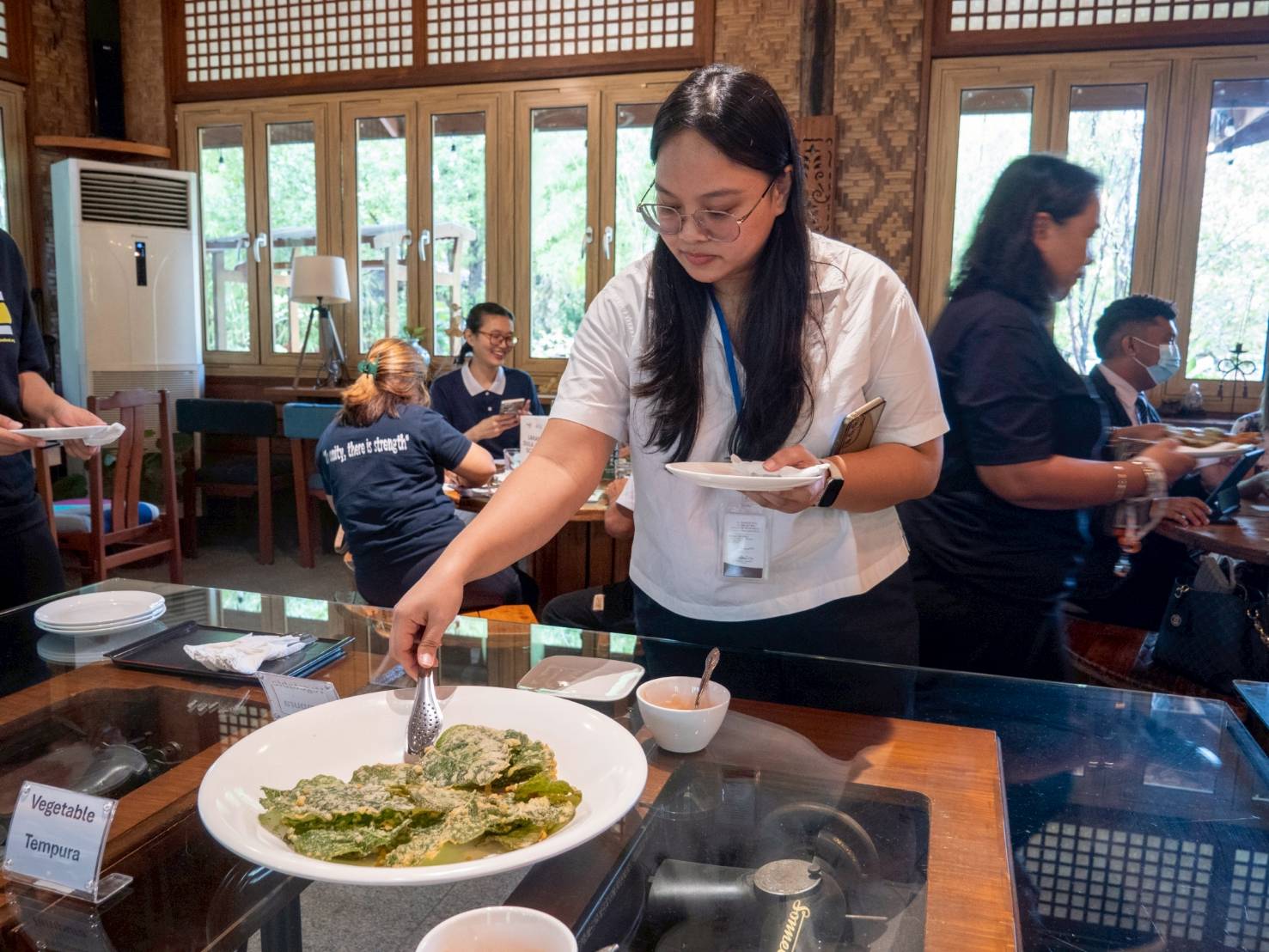
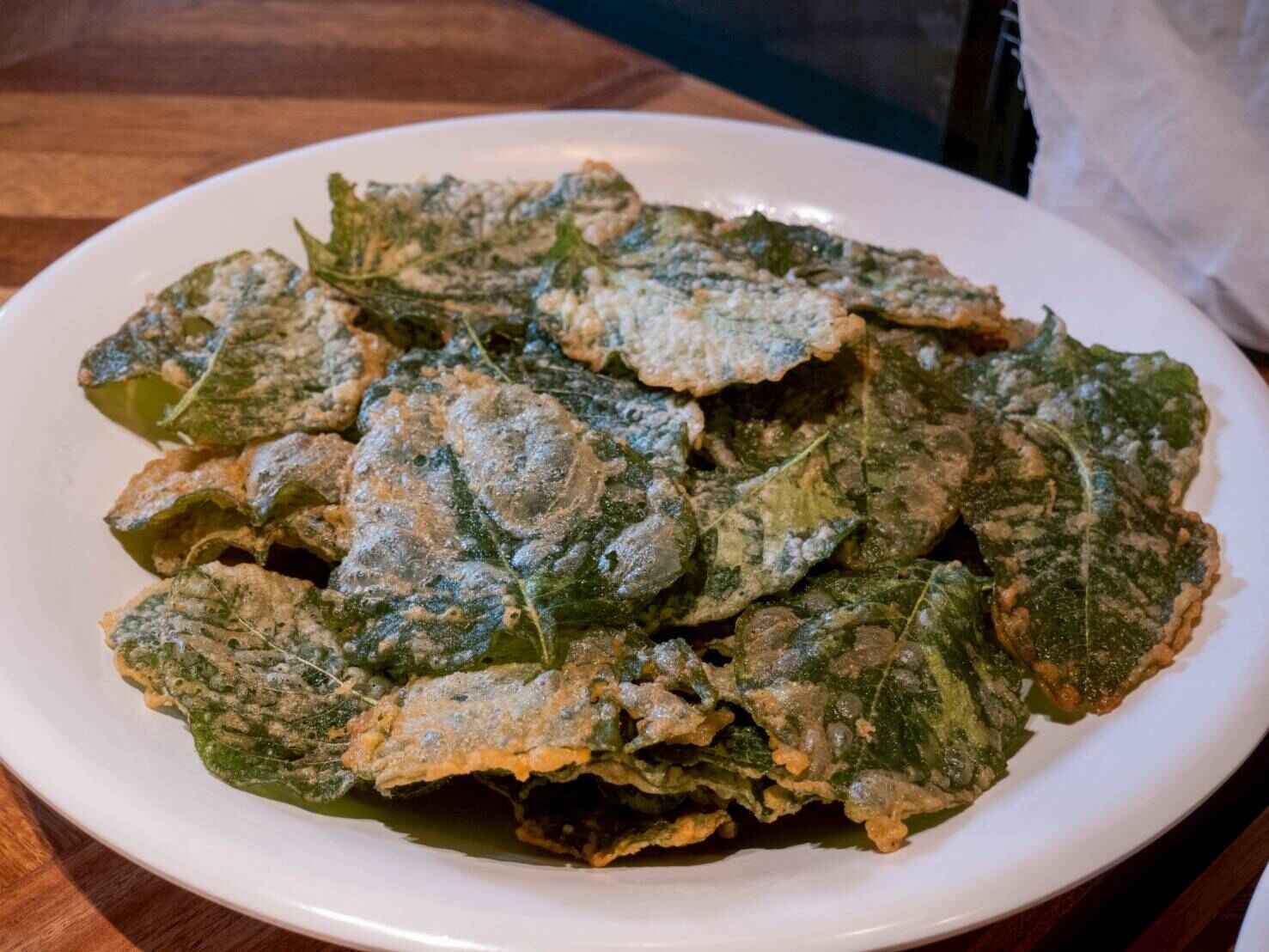
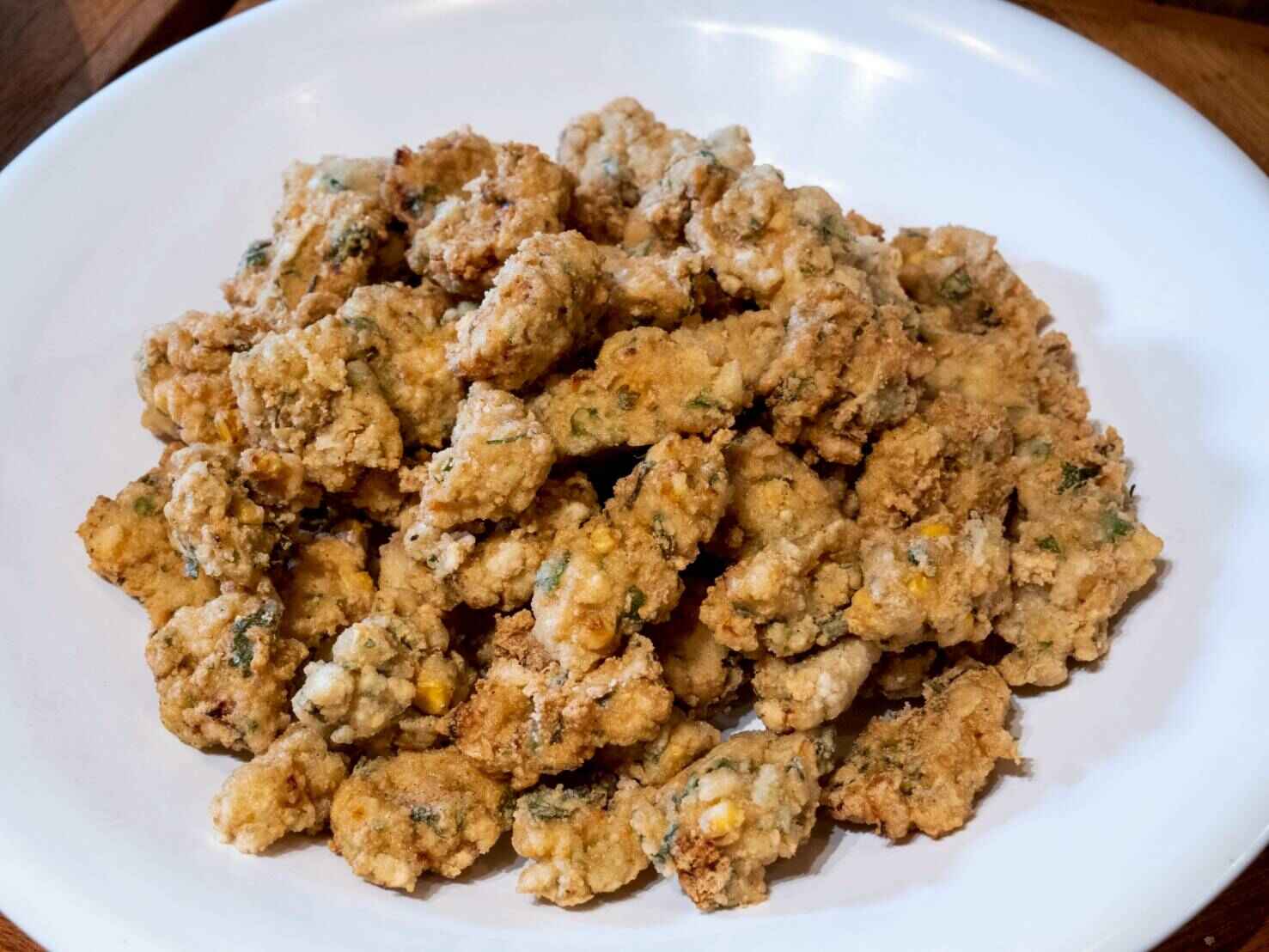
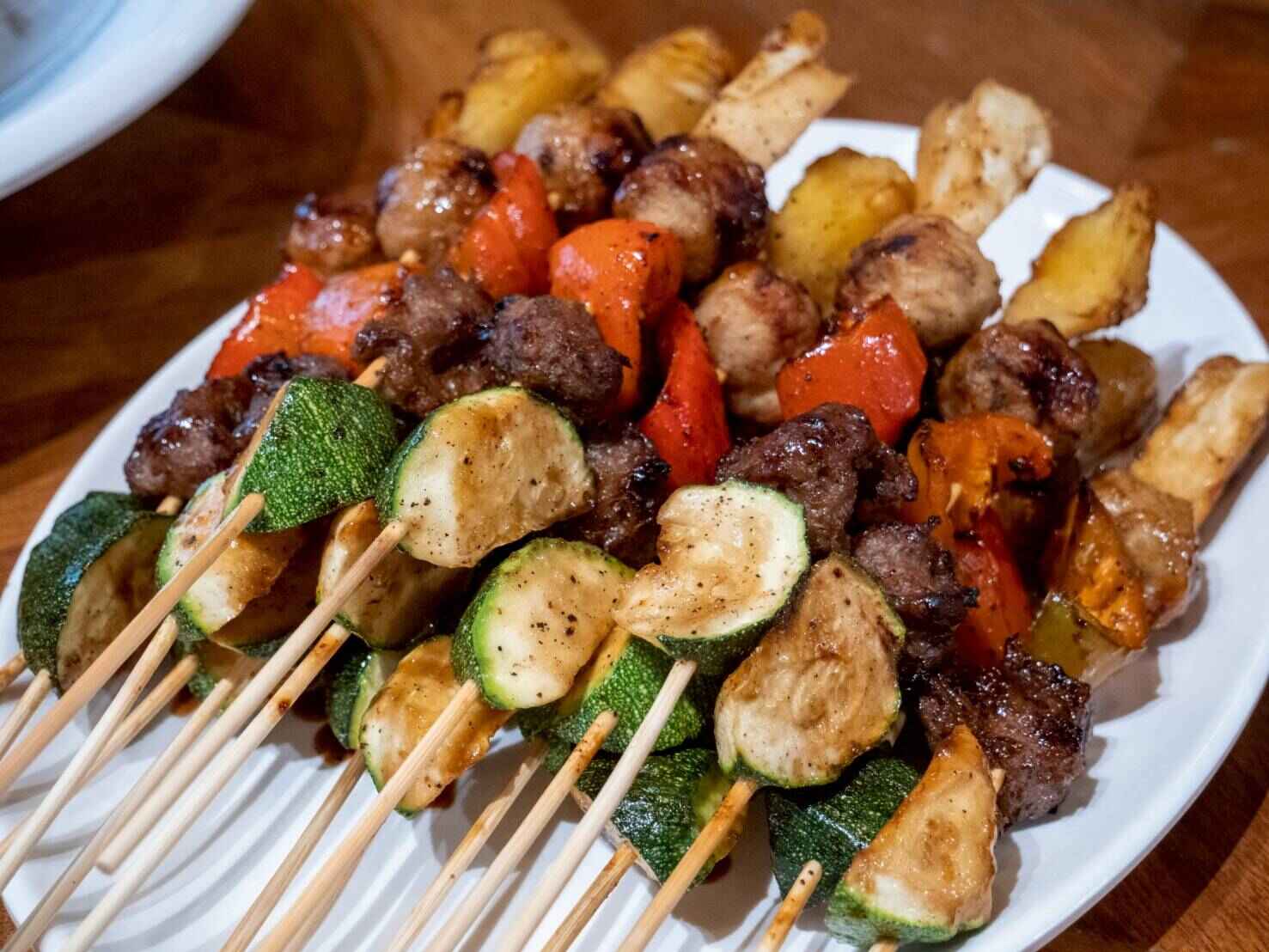
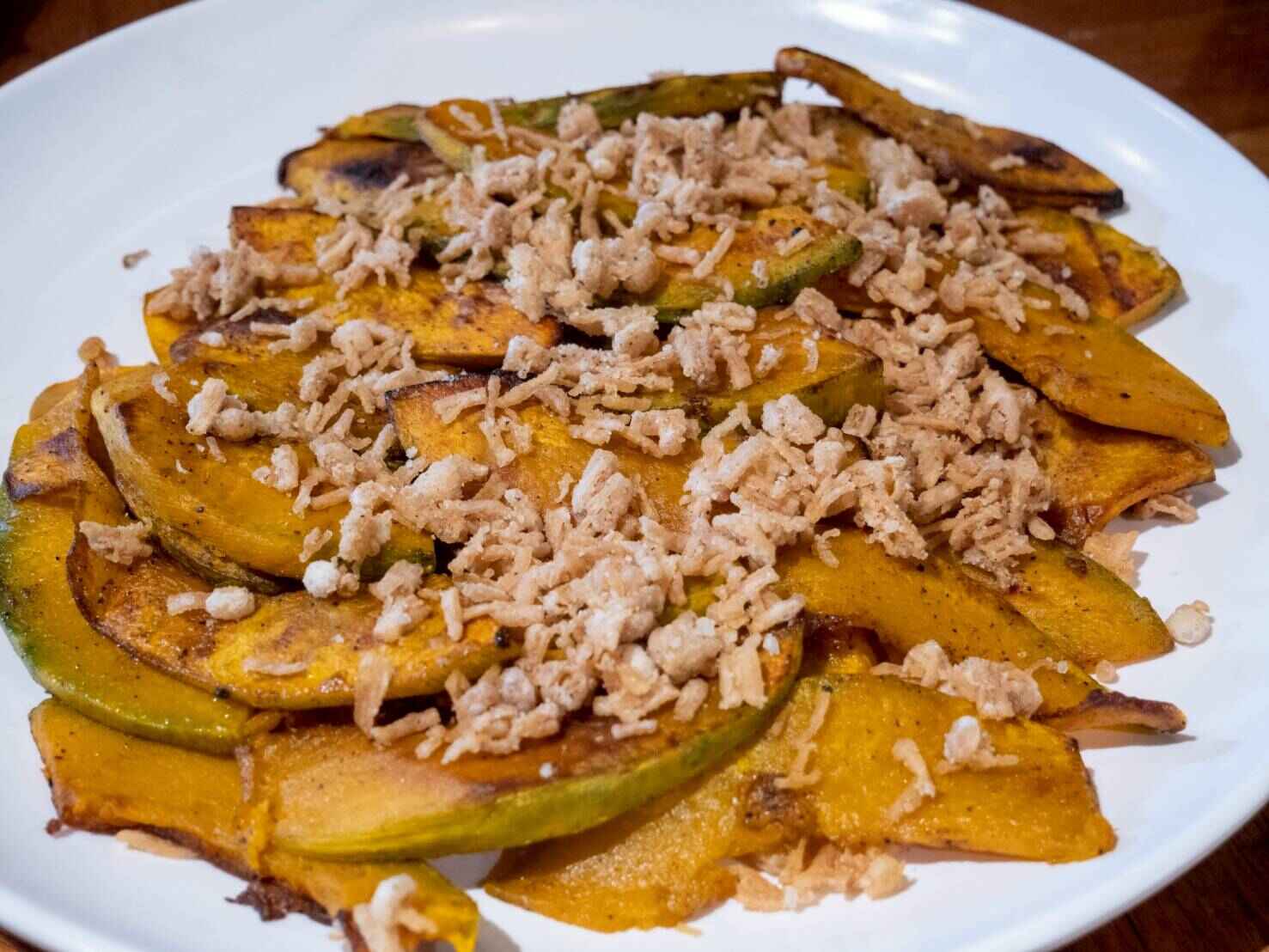
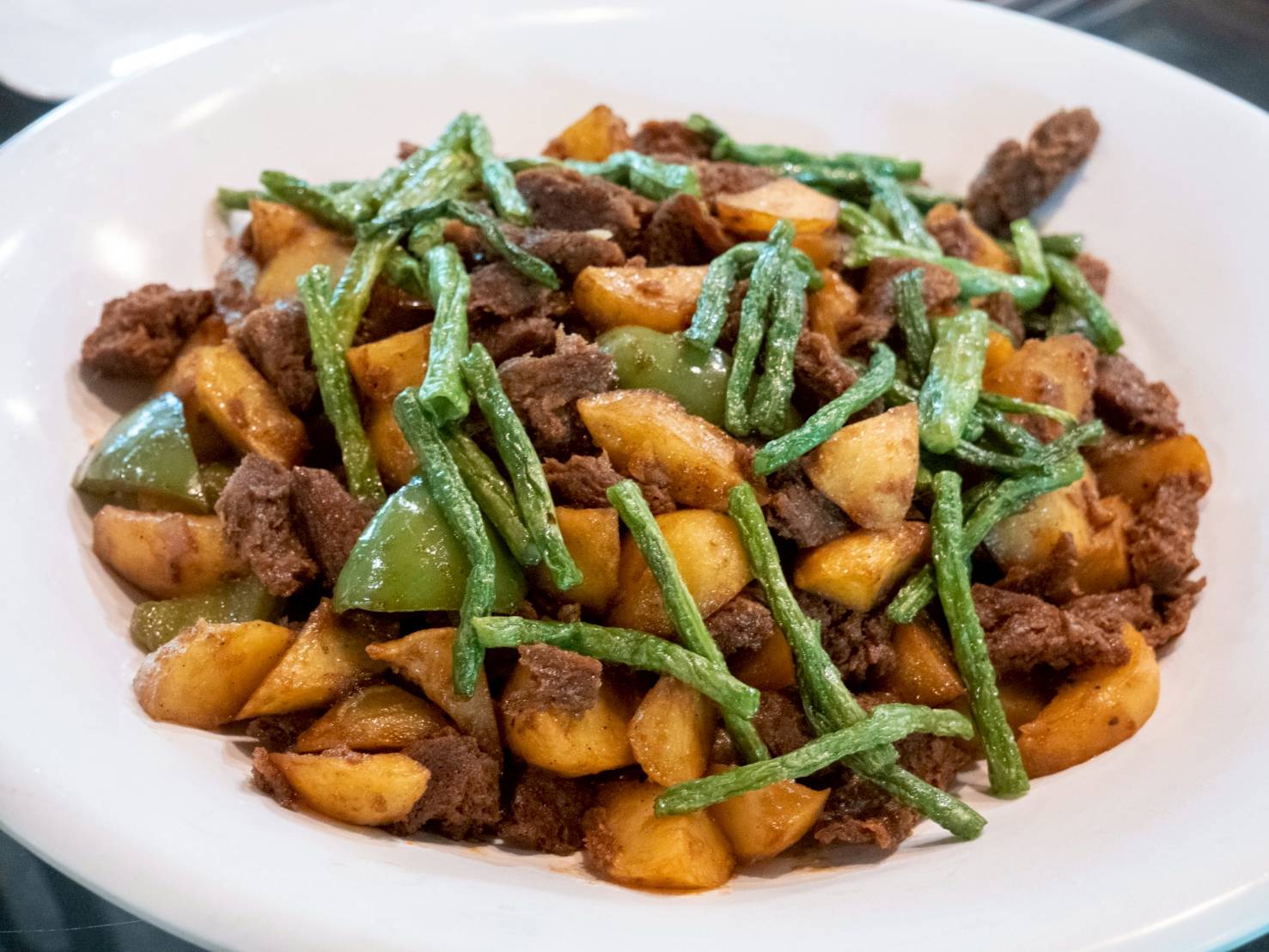
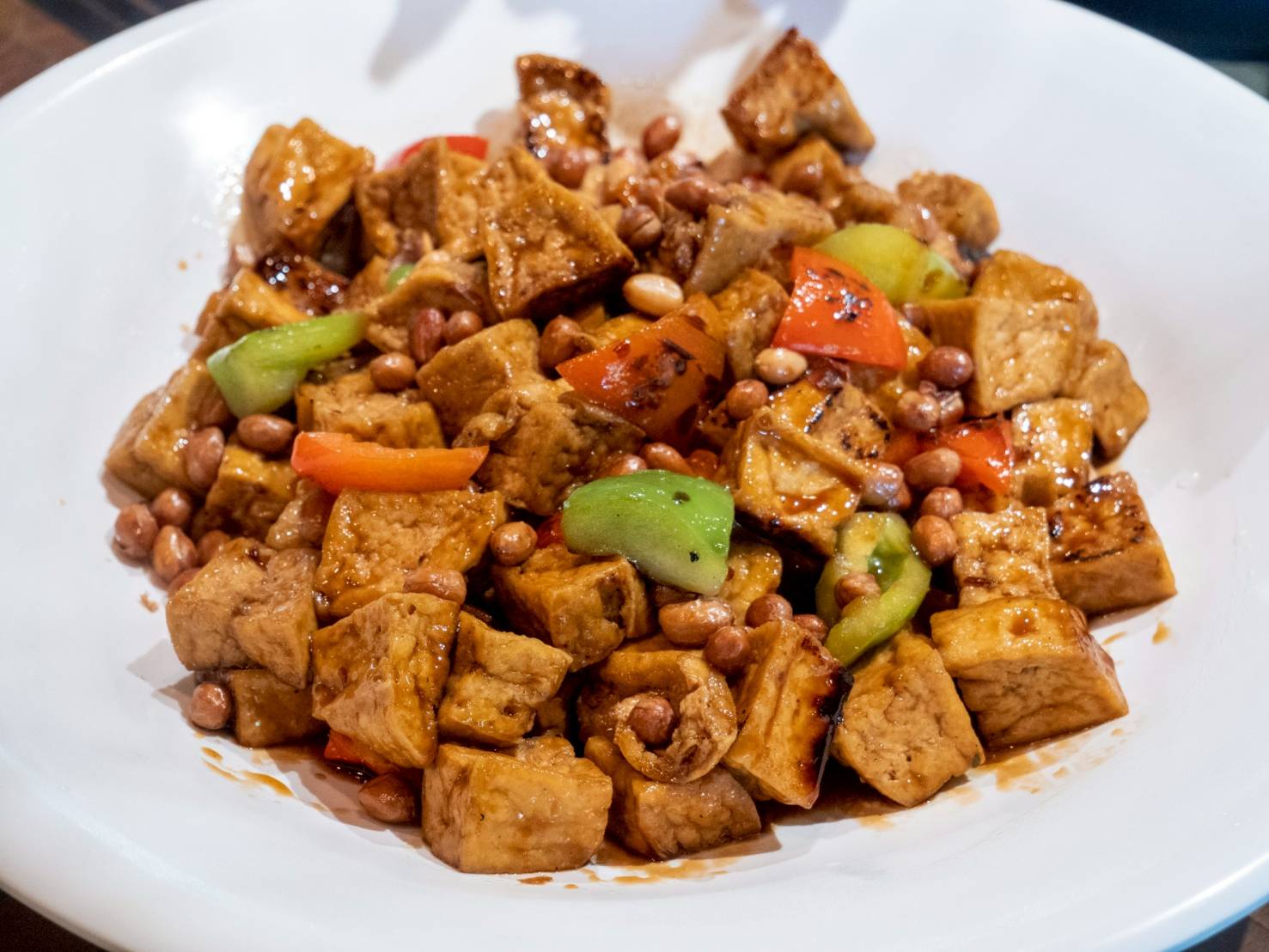
Like its last pilot plate tasting event in April, this “Veg Up!” served plant-based options in three sets: Starters (vegetable tempura, sweet & sour tofu fritters, BBQ, grilled squash with crunchy enoki), Savory (kung pao, menudo, salpicao, kare-kare), and Classics (Bicol express, bistek Tagalog, sisig).
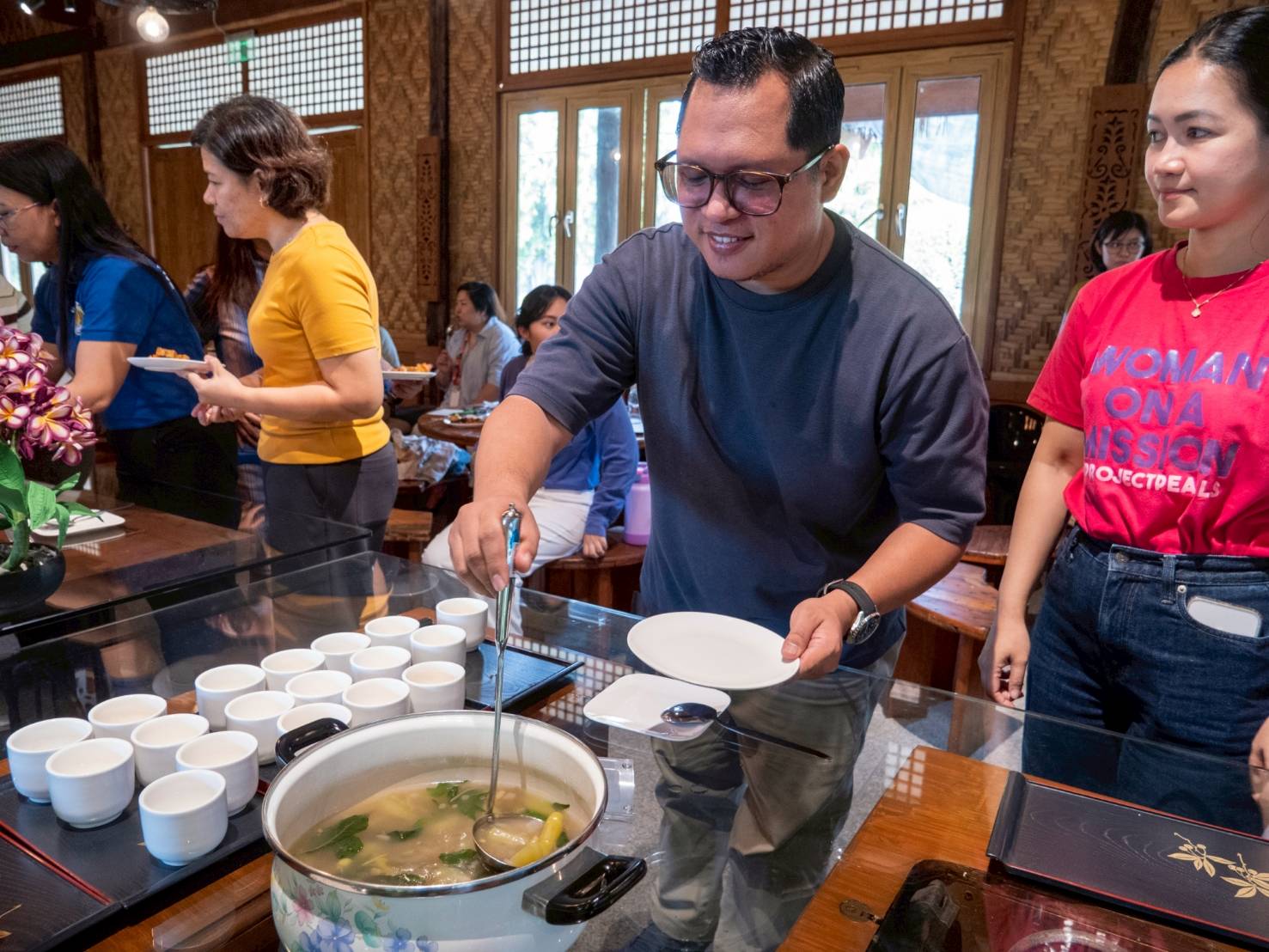
Representatives from Lakan Dula High School, PNU Taste, Bacood Elementary School, Yellow Boat of Hope Foundation, Assisi Development Foundation Inc., Project Pearls, and ASA Philippines Foundation Inc. used score cards to grade each dish on aroma, appearance, taste, mouthfeel, and finish.
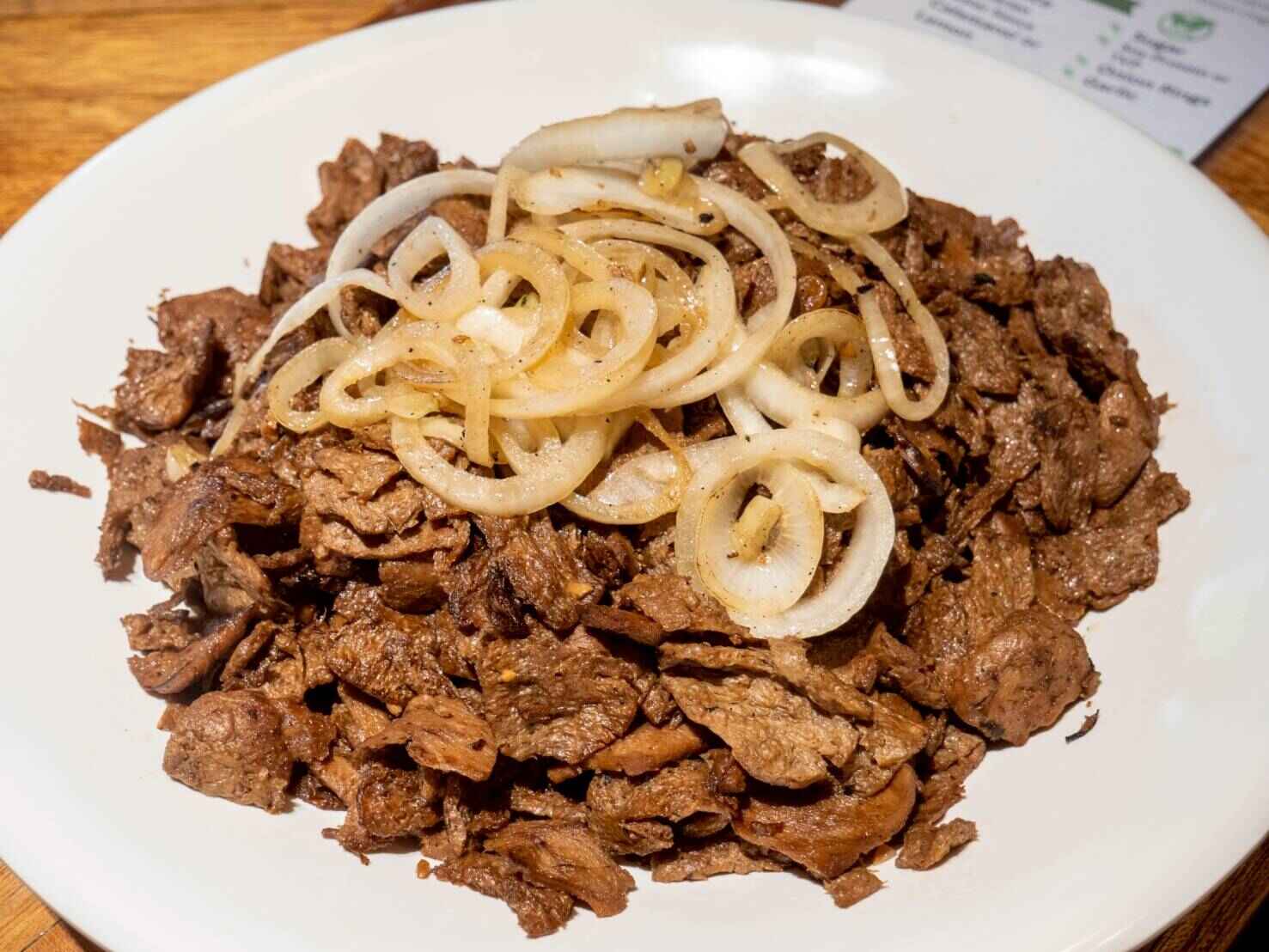
Many praised the meat-like texture and flavor of the dishes. Tzu Chi’s bistek Tagalog featured textured vegetable protein (TVP) prepared with a zesty marinade and topped with crisp, fresh onion rings. BBQ alternated chunks of cucumber, pineapple, and smoky, charred TVP glazed with a sweet-savory sauce on a skewer. Remarkably, Tzu Chi’s tinola soup captured the distinct taste of this comfort food purely through vegetables and spices—no chicken meat or cubes added.
“It’s cooked so deliciously,” said Romulo D. de Jose, canteen manager of Lakan Dula High School. “May I know if you offer training on how to prepare these dishes?”
For humanitarian organizations, plant-based protein can enhance their ongoing supplementary feeding programs. Both Assisi Development Foundation Inc. and ASA Philippines Foundation Inc. have been feeding their beneficiaries with MannaPak rice, a rice fortified with textured soy protein, soy bean oil, and dehydrated carrots and potatoes.
At the moment, cost, supply, and logistics are their chief concerns. Sourcing TVP can be a challenge for Assisi Development Foundation Inc., whose 120-day nationwide Hapag-Asa Feeding Program provides meals to over 100,000 beneficiaries annually, many of them from the provinces and geographically isolated areas.
Still, Joan Pauline Forcadilla, registered nutritionist-dietician and senior program officer of Assisi Development Foundation, Inc., sees the potential of serving all plant-based meals someday.
“We hope!” she said. “If we can incorporate it and the feedback is positive, definitely we’ll respond to that.”
Jennee Domiguez-Ednalan of microfinance non-profit ASA Philippines Foundation Inc. is looking into introducing TVP in meals served daily to about 300 employees at their central office. “I’d like for them to adopt this as a sustainable practice,” she said.
The executive director is also exploring the possibility of marketing TVP through its primary clients—2.3 million underserved women, or nanays (mothers), as they call them, all over the country. “Because most of them are in the enterprising business, we’re thinking that our nanays could use this as a business, spread awareness about it in different places,” she says.
Ultimately, advocating for plant-based meals does more than improve our health and protect our natural resources. It can provide livelihood and, just maybe, change mindsets and attitudes too.
Noting how students tend to be more aggressive these days, Lakan Dula High School Principal Raffy Caballes suggested that serving vegetarian fare in their canteen may help calm hostile behavior.
“But for a pilot study, I told our canteen manager to serve plant-based meals in my office first,” he quipped as Tzu Chi volunteers and guests burst out laughing. “Then we will see if I still get angry!”
“It’s all about making a paradigm shift,” he added. “Thank you, Tzu Chi, for inviting us, and for showing us through these plates that we can really change the world.”