Tzu Chi Volunteers Assess Damages in Dingalan, Aurora, after Typhoon Uwan
At the Frontline of Compassion, Tzu Chi Brings Hope to Affected Families.
By Thania Florendo
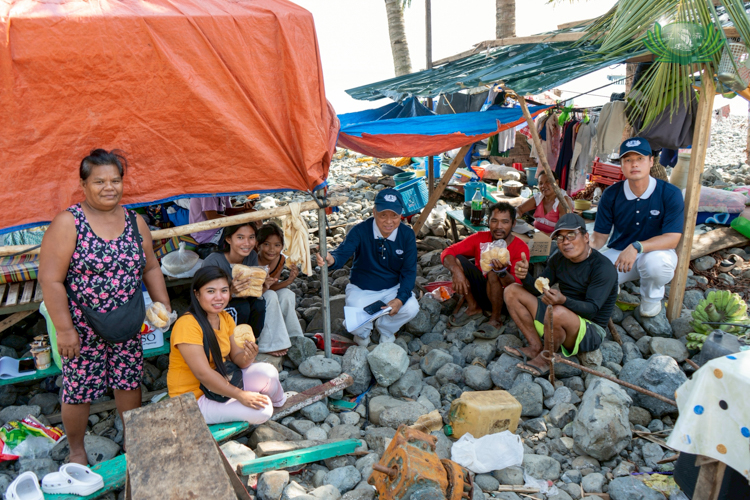
On November 9, Typhoon Uwan (International name: Fung-Wong) made landfall over Dinalungan, Aurora, with maximum sustained winds of 185 kph and gustiness reaching 230 kph, sending powerful storm surges crashing into the coastal towns.
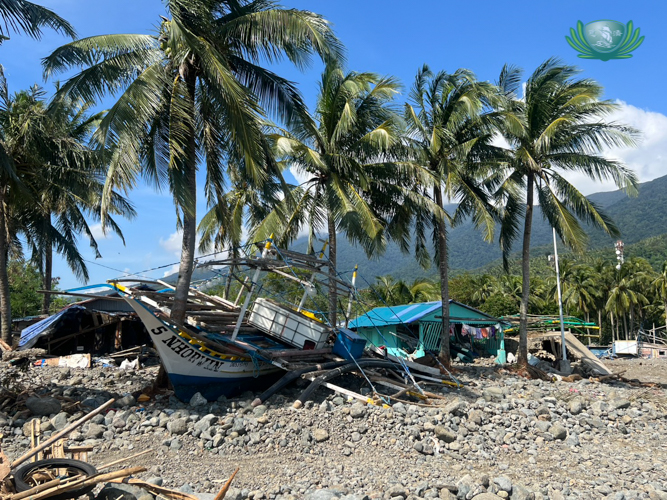
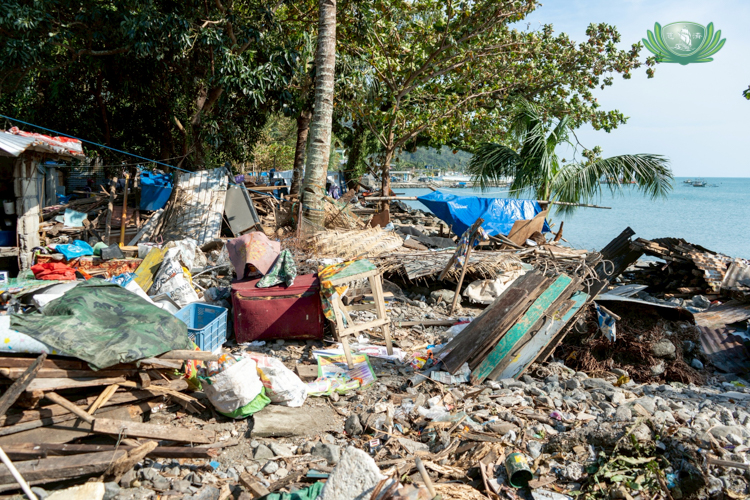
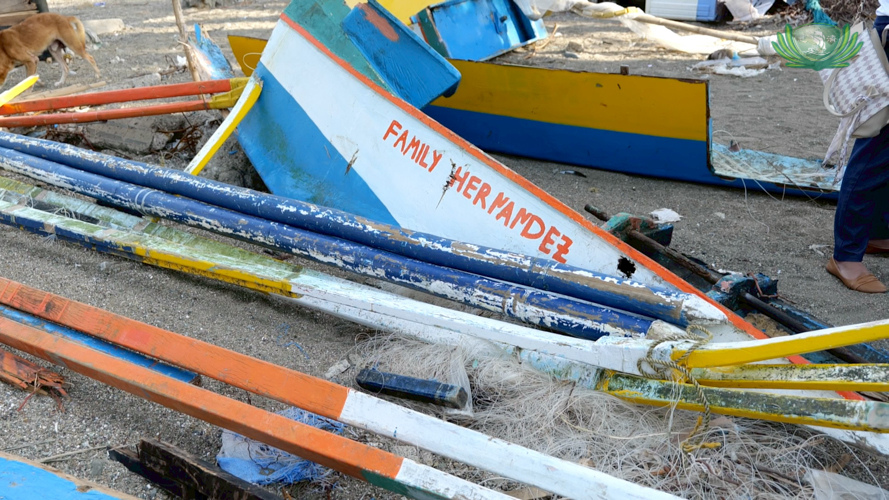
Towering waves, some as high as three stories, smashed seawalls, flooded seaside neighborhoods, and swept away homes and fishing boats, leaving communities in widespread devastation.
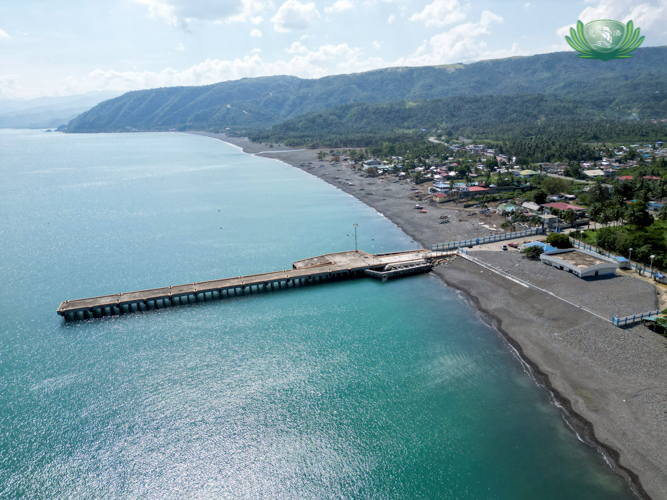
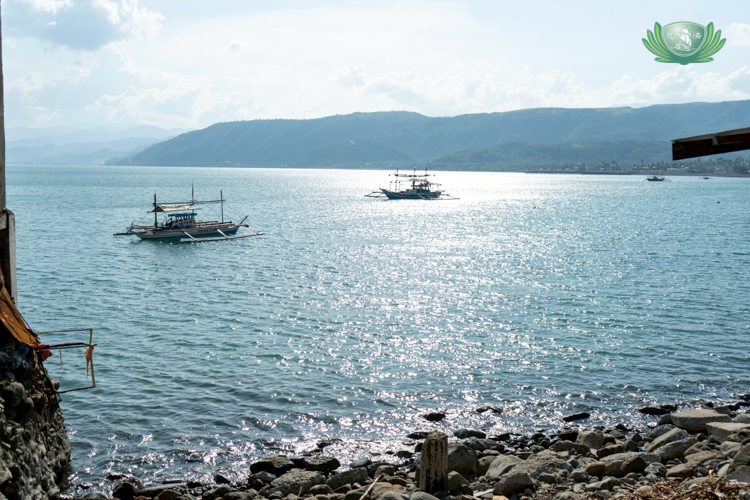
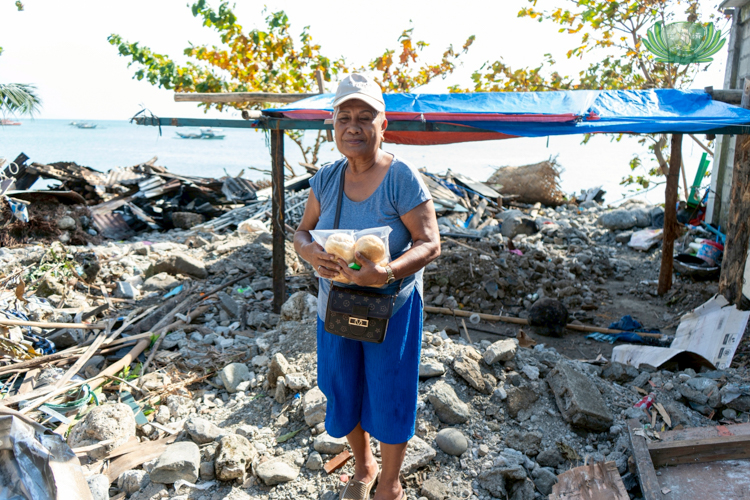
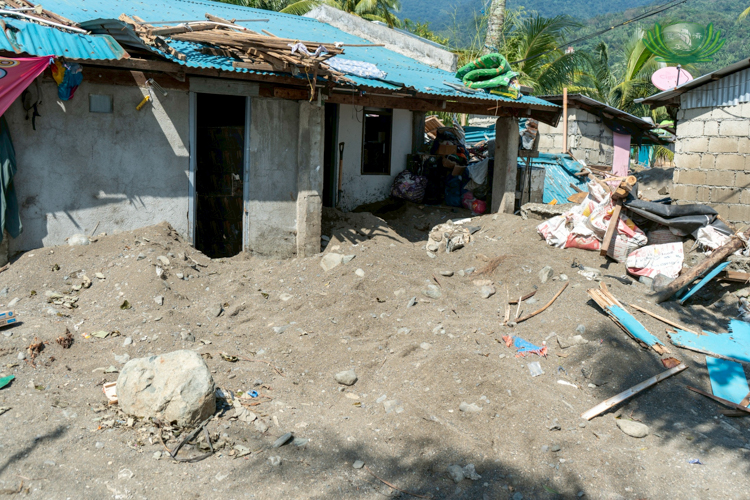
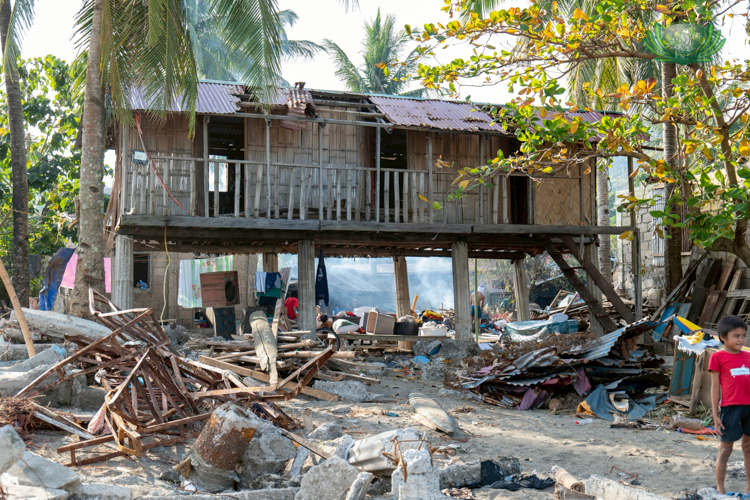
Dingalan now faces the harsh aftermath of nature’s force, with homes made of light materials destroyed and key infrastructures, including resorts, the feeder port, and fishing areas, inundated. While there were no human casualties, one carabao and four goats died, and livelihoods that the town depends on have been severely crippled.
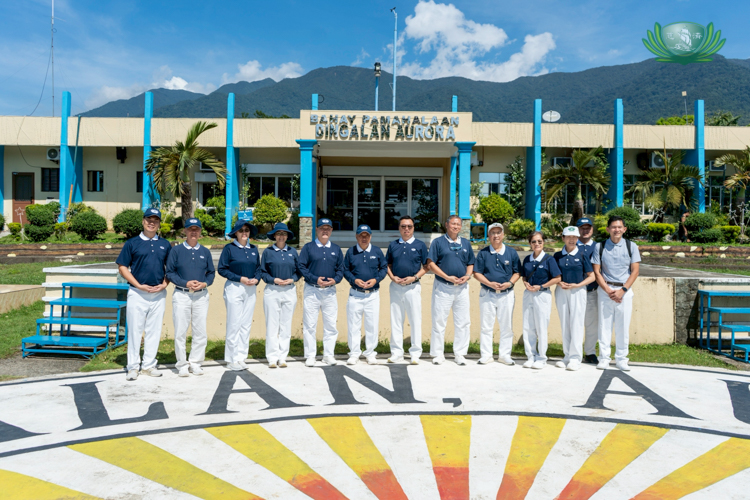
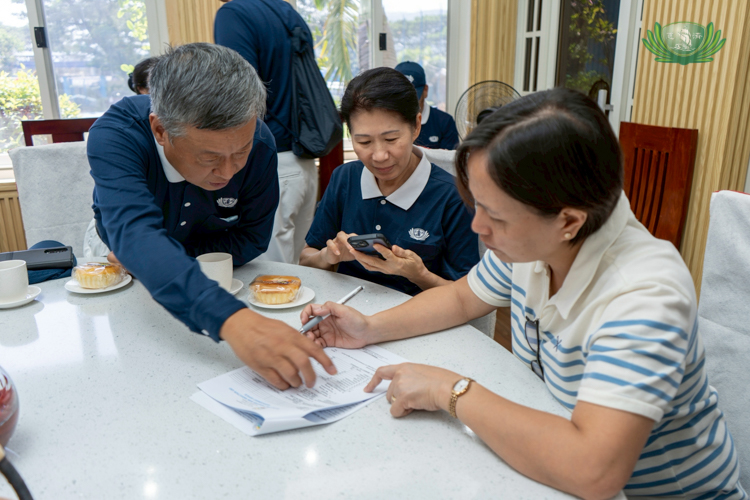
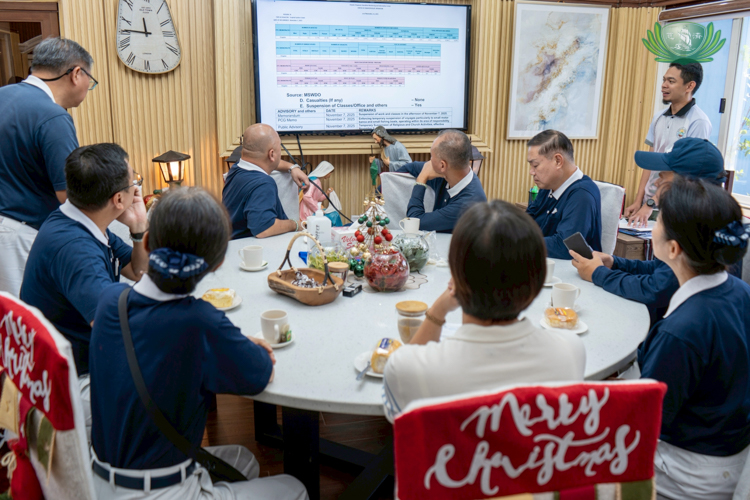
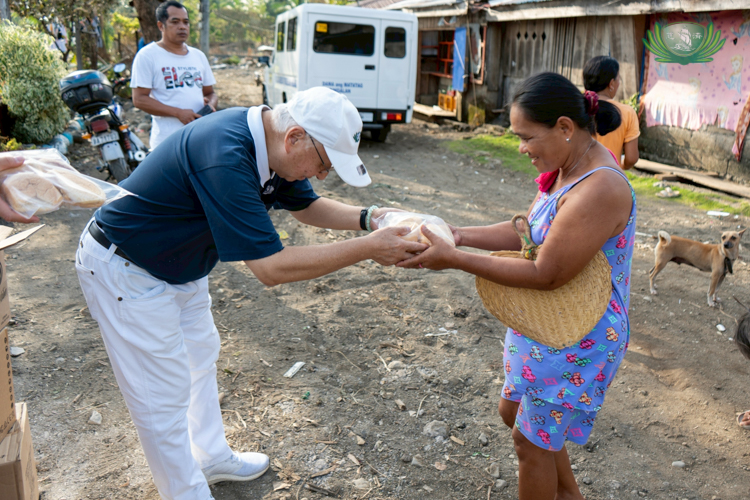
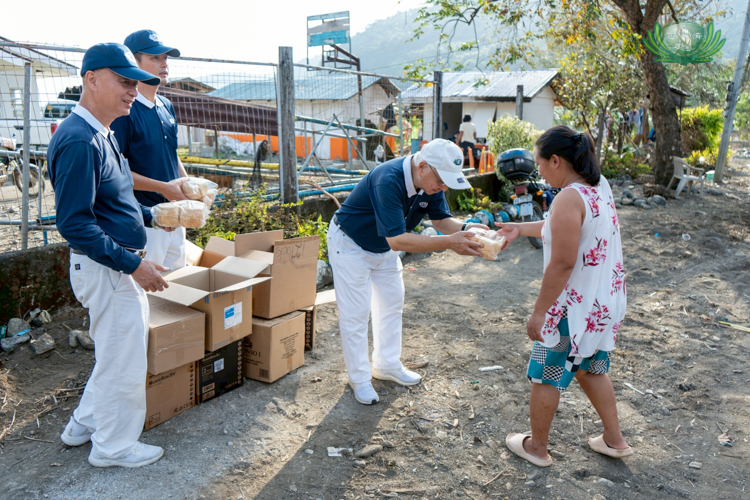
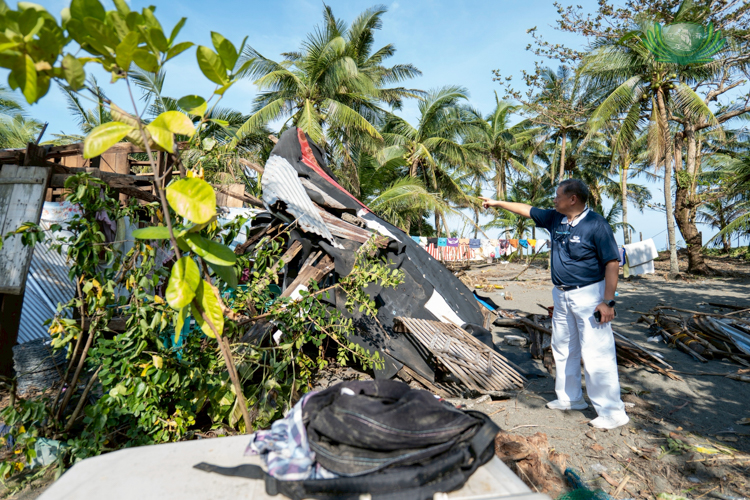
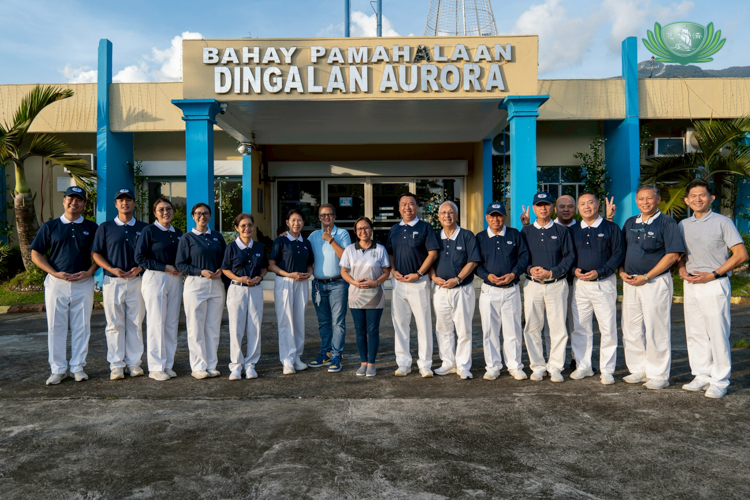
With prompt response and compassion, 14 Tzu Chi volunteers, accompanied by four staff members, drove seven hours to Dingalan, Aurora, to conduct ocular surveys on November 13. Their mission is to assess damages and plan relief efforts for residents in urgent need. Divided into two teams and supported by the Municipal Disaster Risk Reduction and Management Office (MDRRMO), they visited seven affected barangays across northern and southern Dingalan. The first team, led by Tzu Chi Foundation Philippines Deputy CEO Woon Ng, surveyed Umiray, Ibona, Matawe, and Butas na Bato, while the second team, led by Johnny Kwok, covered Aplaya, Paltic, and Dikapanikian.
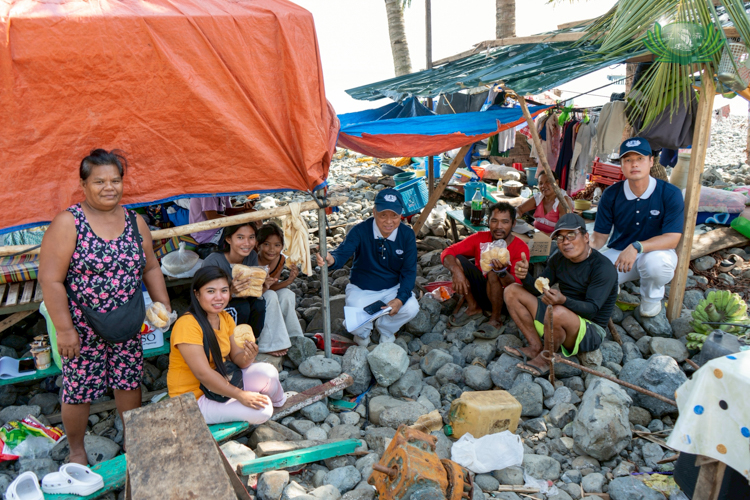
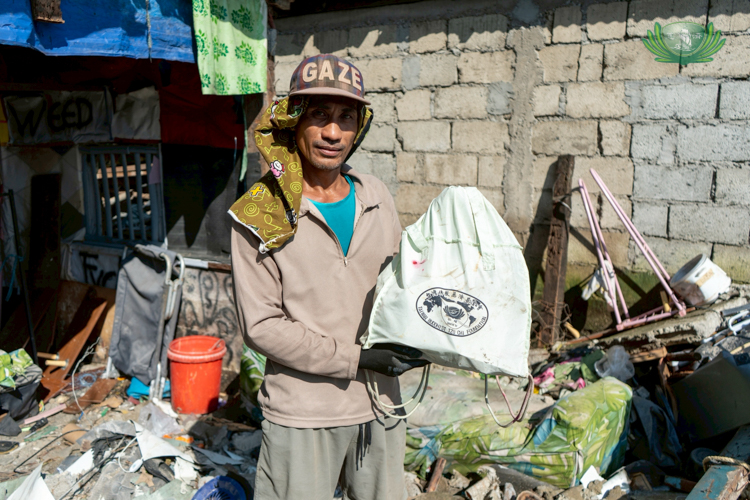
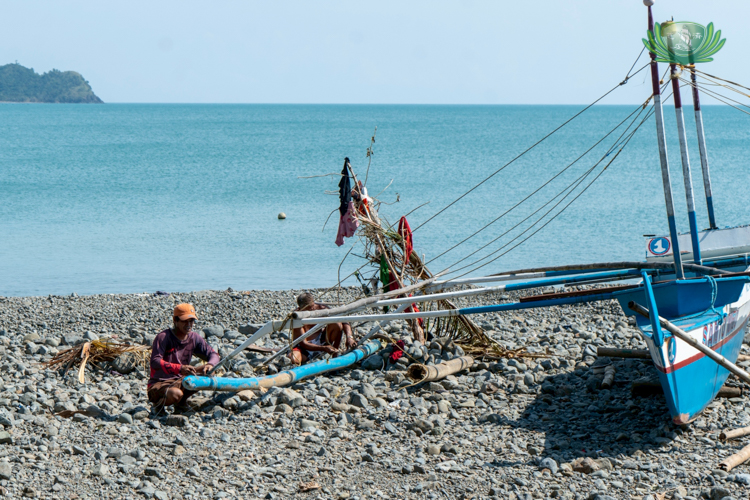
From the ocular visits, volunteers noted widespread destruction: entire clusters of homes washed away, resorts severely damaged, and about 90% of the town’s fishing community, or an estimated 372 fisherfolk, were affected after their vessels were shattered or lost to the storm surge.
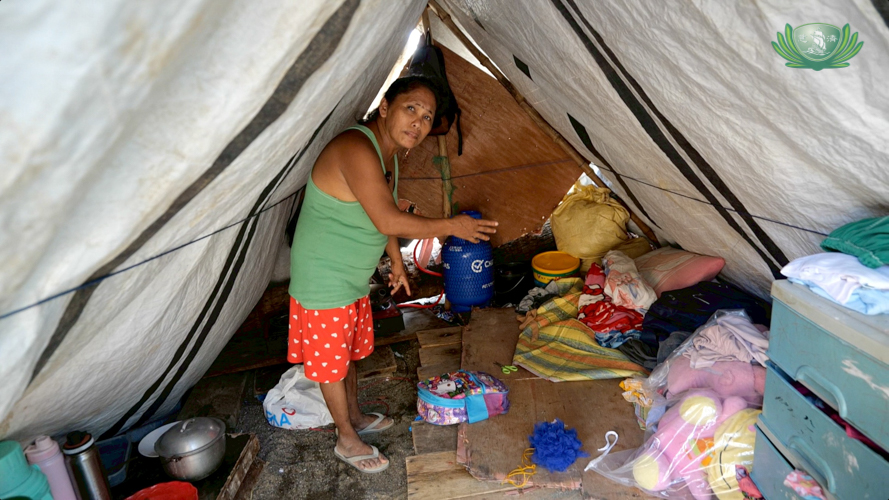
Families displaced by the surge currently seek shelter in modular tents set up at the Paltic Gym, while the municipal government is identifying potential relocation sites, as previously marked “safe zones” are now deemed unsafe.
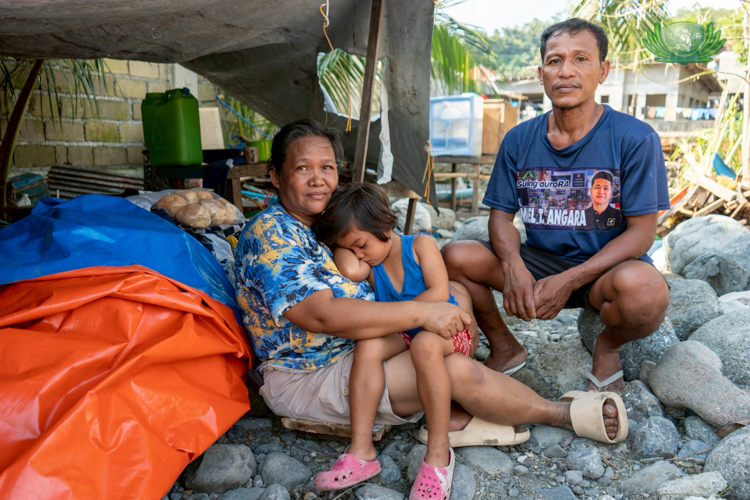
From Barangay Matawe, 50-year-old fisherfolk Elizabeth Hernandez was left speechless and stunned by the destruction in her community. Her modest home and livelihood were completely washed out. Now, she and her seven family members are trying to make do in a temporary tarpaulin tent, struggling to fit in and adjust to the cramped space.
In Barangay Paltic, 68-year-old Linda Danao, who has lived through disasters like this three times, shared the weight of their situation.
“During Typhoon Karding, Tzu Chi gave us blankets, mosquito nets, and mats. This storm was stronger, but thankfully, we evacuated early. We have no home to return to, and it’s too dangerous to go back, so we’re staying in the evacuation center. It’s painful, but I need to stay strong for my health and for my grandchildren. I’m grateful that you remembered us again, ” she said.
Forty-year-old fisherman Dennis Roldan recalled how quickly the storm surge destroyed his home.
“Even before sunrise, the waves were already strong. After a few more powerful surges, my house collapsed. I knew there was no saving it,” he said. “My wife cried at the evacuation gym, and I felt weak thinking about our six children. There’s nothing left. No house, no boat, nothing to return to.”
Roldan hopes for a new home or financial assistance to help his family rebuild.
“We’ll stay strong and keep working hard for our family. We must not lose hope. As long as we’re alive, there’s a chance to start again.”
Despite losing their boats, homes, and jobs, Dingalan residents remain hopeful that help will arrive soon. Many are relying on the support of volunteers and local authorities while they begin to clear debris and salvage what they can. For families like Roldan’s, every bit of assistance represents a step toward rebuilding their lives and regaining a sense of normalcy.
“They were truly caught by the disaster since they live in coastal areas. Thankfully, the government had prepared and issued evacuation warnings, so there were no casualties and everyone remained safe. Still, their homes and livelihoods were completely destroyed. Some were buried under more than a foot of sand. After this visit, we can better assess how to provide the help they urgently need,” said Woon Ng, a Tzu Chi volunteer, who led her team into four barangays.
As Tzu Chi concludes its assessments, the findings will guide relief and rehabilitation efforts for families whose lives have been upended— especially the fisherfolk, who now stand at the frontline of loss, hoping to rebuild what the sea has taken.