‘WWW’ no more
Through Tzu Chi’s guidance, there was nowhere for Tzu Chi scholar and Ondoy survivor Renesa Palonpon to go but up
By Joy Rojas
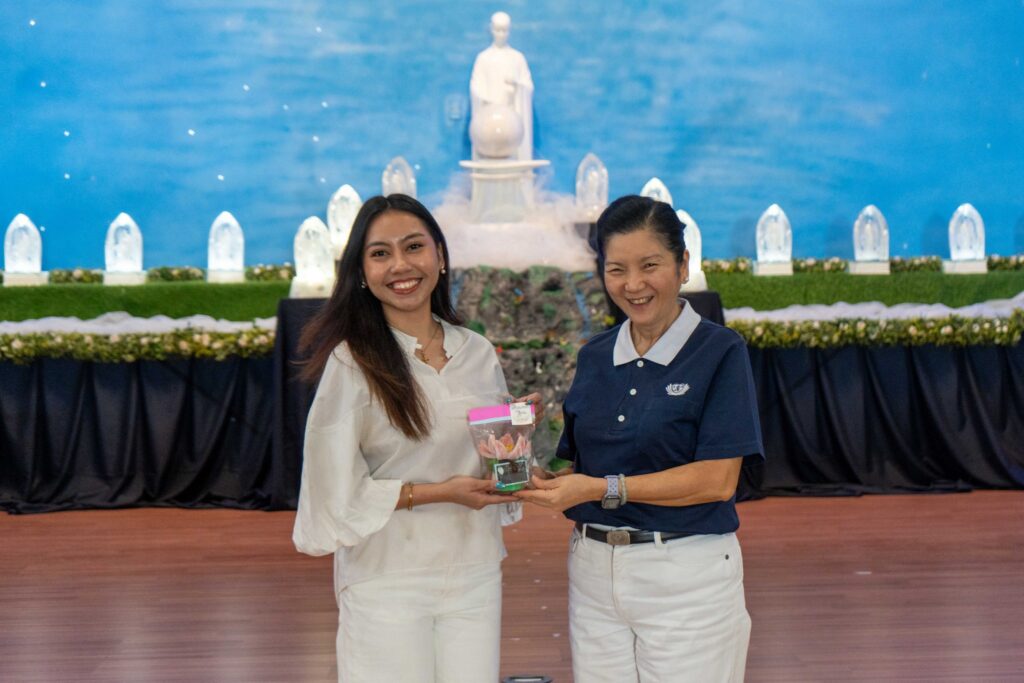
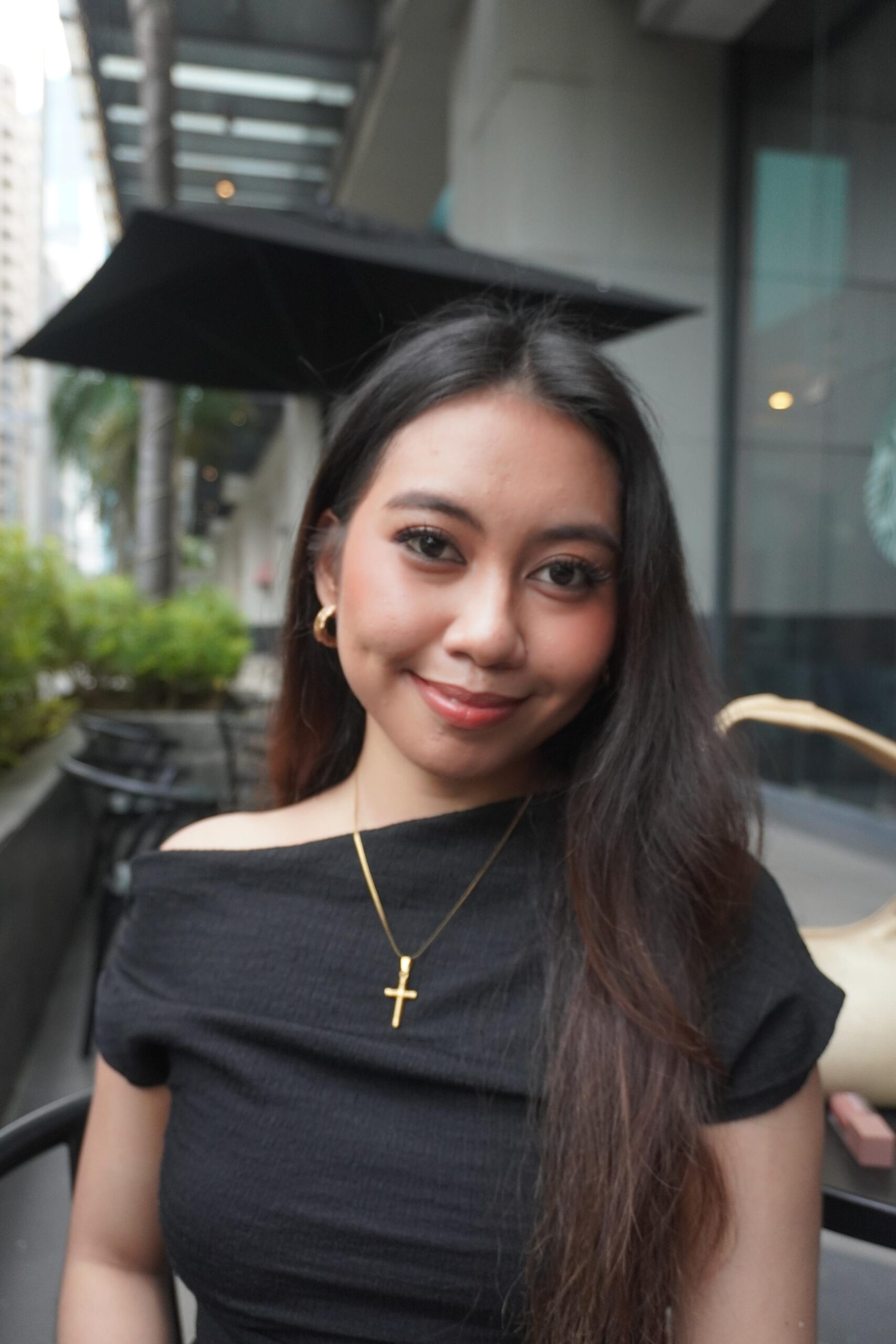
At 26, Renesa Palonpon knows what it’s like to have nothing. She even coined a term for it. “WWW,” she said, an acronym for “walang-walang wala,” which is Filipino for “absolutely nothing at all.”
The older of two daughters of a man who made a living selling bottles and other recyclables at a junk shop, she recalls days when bad weather prevented him from making the rounds and thus earning money to put food on the table. “We lived from day to day,” she said. “There were days when we had to sell our appliances or pots and pans just so we could have something to eat.” When there was nothing to sell for food, she went to school on an empty stomach, spurred on by her mother who believed that education was the way out of poverty.
As if things couldn’t get worse, Typhoon Ondoy (Ketsana) struck on September 26, 2009, submerging entire communities in Metro Manila with a month’s worth of rain that reached the roofs of homes. The Palonpons, who live in flood-prone Malanday, Marikina, lost their home and whatever little possessions they had. With nowhere to go, the family sought shelter at an evacuation center for 2-3 months. Then 9 years old, Renesa accepted whatever food or clothing she received from charitable institutions.
“I would not wish this on anyone,” she said.
Bereft of basic needs, she lived on the kindness of strangers, an experience that left a positive impact on her.
“It shaped my mind,” she said. “If you see someone who’s in need, you should help them. That’s how people should be.”
This she experienced with Tzu Chi Foundation, the first to come to Marikina’s aid. Amid piles of muck and trash left by Ondoy’s flood, Tzu Chi volunteers mobilized over 80,000 Marikeños in a Cash-for-Work program that saw them restore order and cleanliness to their communities in a record 18 days. They also served hot meals, organized a medical mission, and awarded scholarships to qualified youth. A scholar from 2009 to 2020, Palonpon has Tzu Chi to thank for covering her education in Malanday Elementary School, Miriam College High School, and Ateneo de Manila University, where she graduated with a degree in international relations.
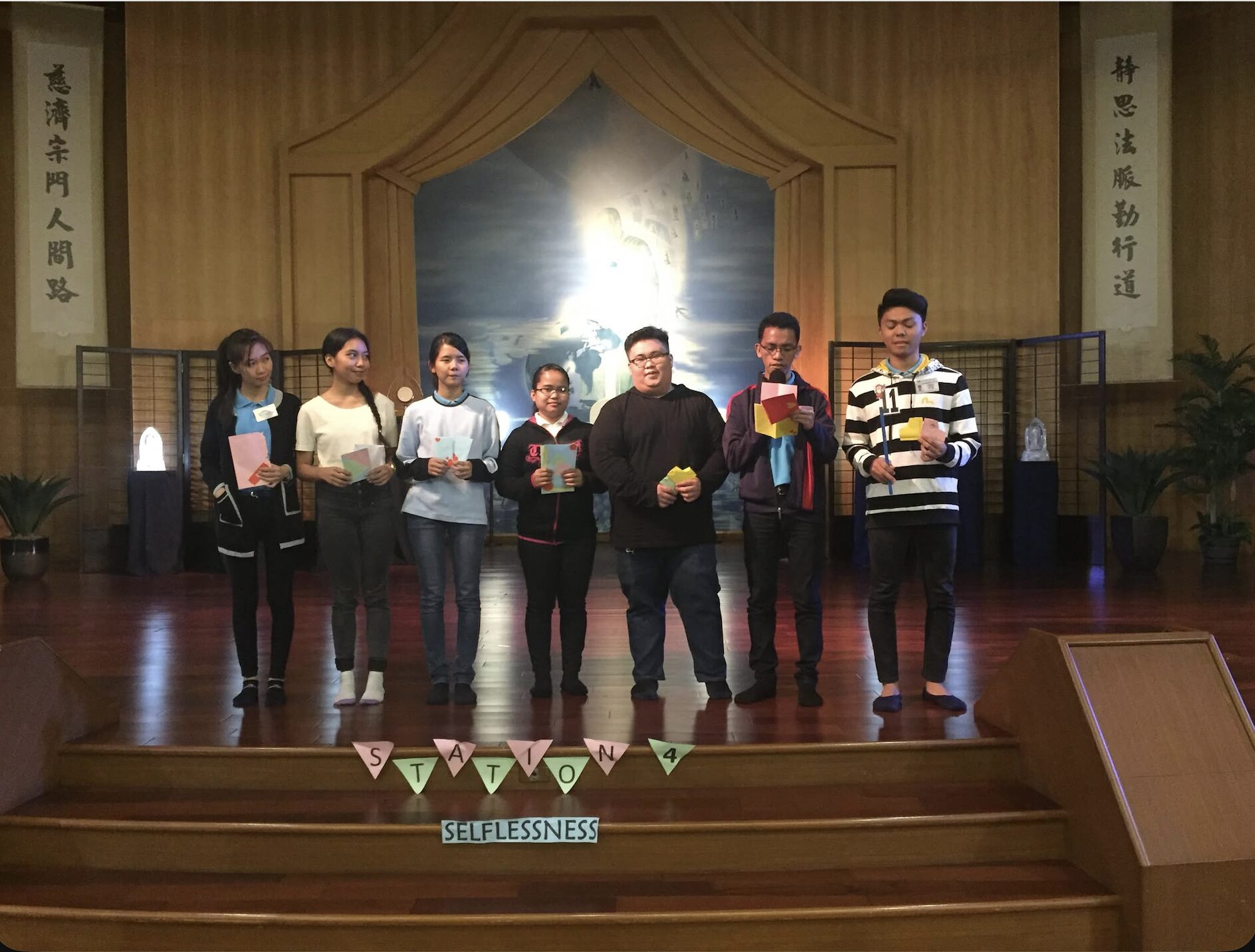
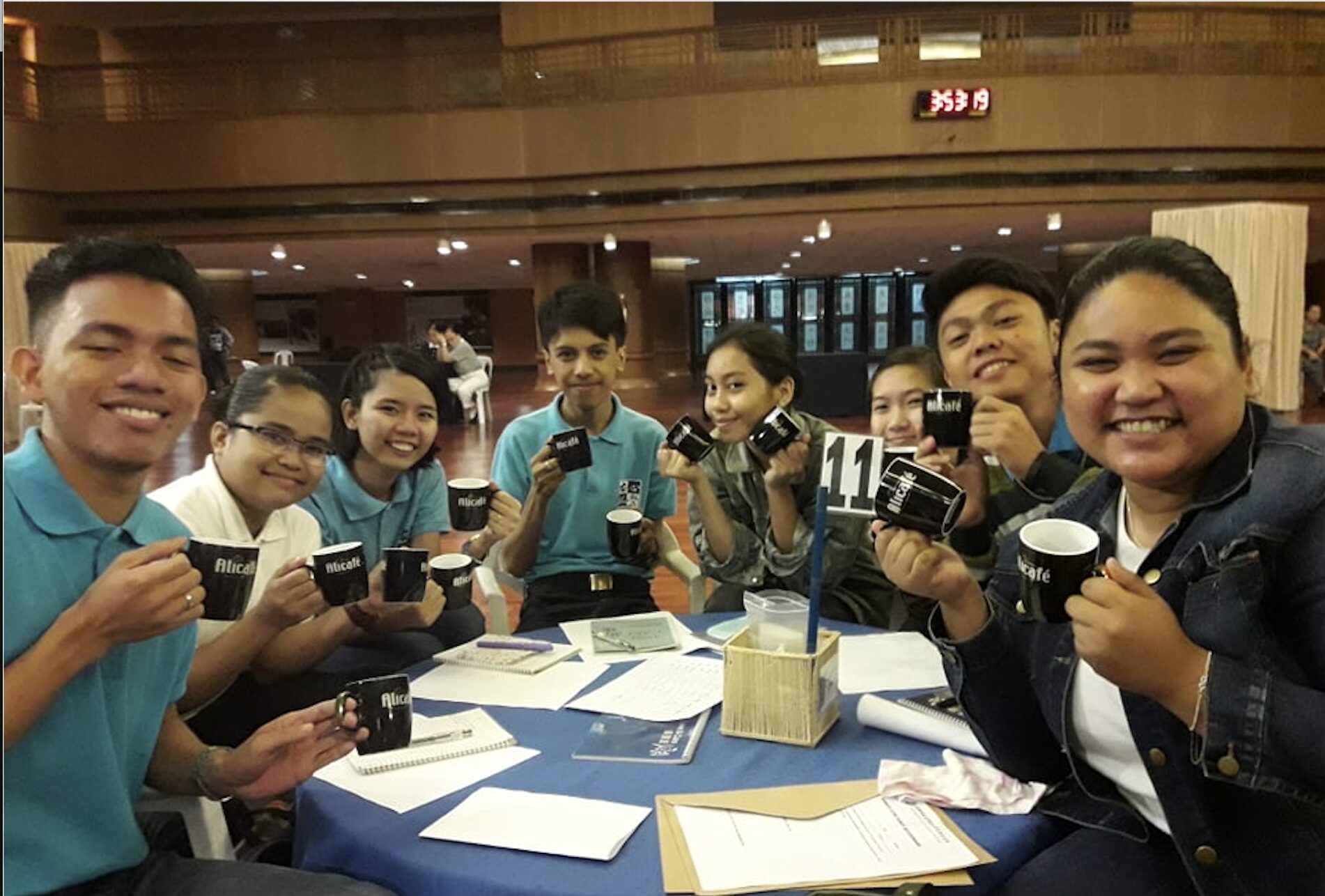
Tzu Chi schooled her in other ways too. Through monthly Humanities classes, she embraced different facets of Tzu Chi culture—its discipline, etiquette, environmental practices. Six years after graduation, she continues to live by Dharma Master Cheng Yen’s practical teaching: “Speak kind words, think good thoughts, do good deeds.”
Today, Palonpon has come a long way from her “WWW” days. Through her earnings at a human resource consulting firm, she was able to move her family out of their flood-prone area and into safer ground. “That is something close to my heart and something I’m very proud of,” she said, beaming. She also contributes to the education of her younger sister, a partial scholar, as well as the family’s daily expenses, which eases the pressure on her parents to provide for necessities.
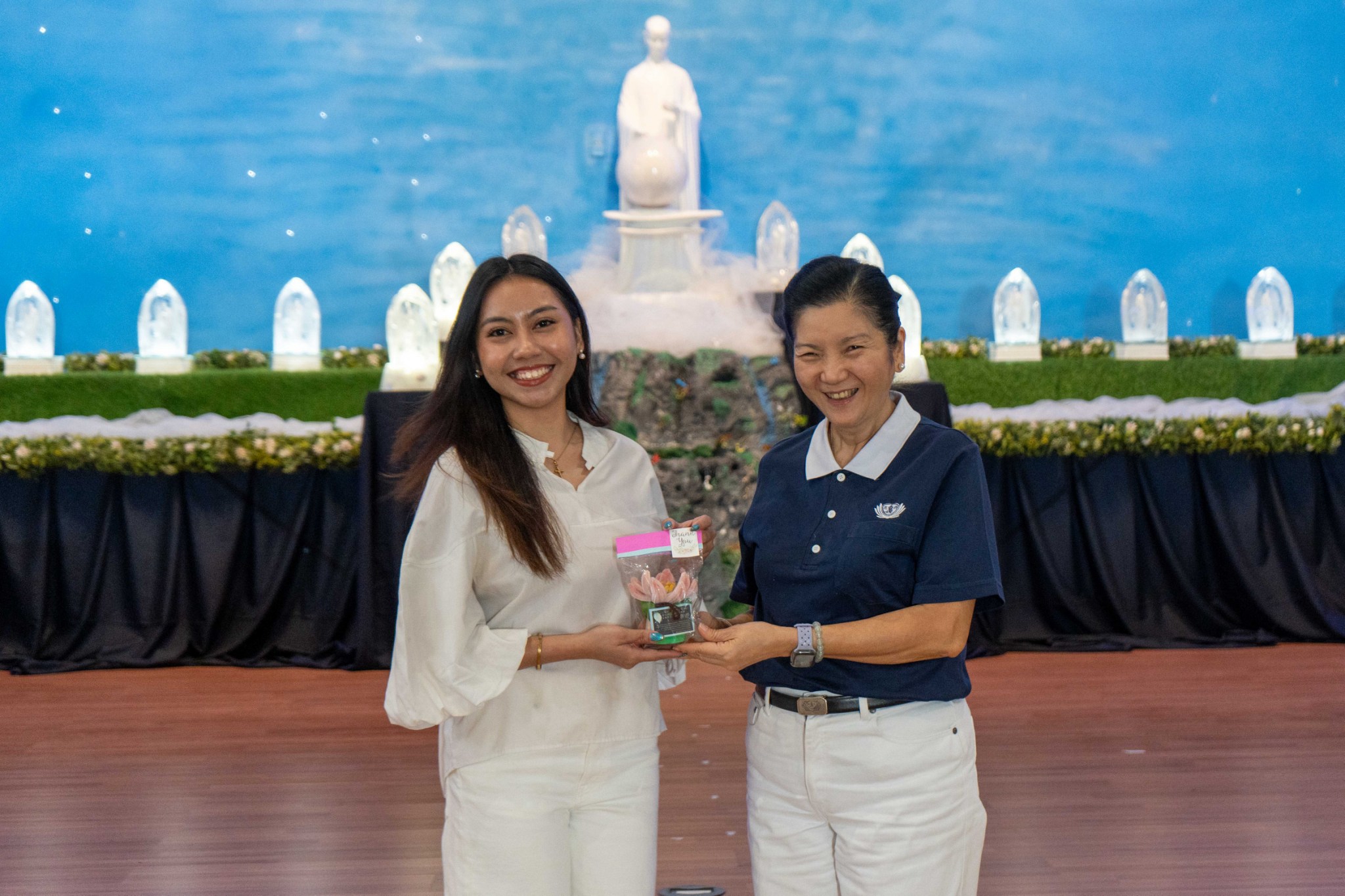
“Tzu Chi builds character,” she said to the current crop of Tzu Chi scholars who listened to her story at the fourth Humanities class on November 8 at the Buddhist Tzu Chi Campus in Sta. Mesa, Manila, and in Tzu Chi chapters in Pampanga, Bicol, Iloilo, Palo, Davao, and Zamboanga.
“There is a reason for the things that volunteers want you to do or the activities they want you to attend. Maybe at this time, it doesn’t make sense, but just try to follow. It wouldn’t hurt and it doesn’t take much.”
“Over time,” she assured, “the little things that you learn in every Humanities class will accumulate and make you a better person.”