Taiwan-based Tzu Chi Youth plant seedlings in Davao, explore historic Manila
The trip exposes them to the programs of international Tzu Chi chapters
By Joy Rojas
Since arriving in the Philippines on August 1, the group of Tzu Chi Youth and volunteers from Taiwan and Malaysia have been making the most of their international exposure trip.
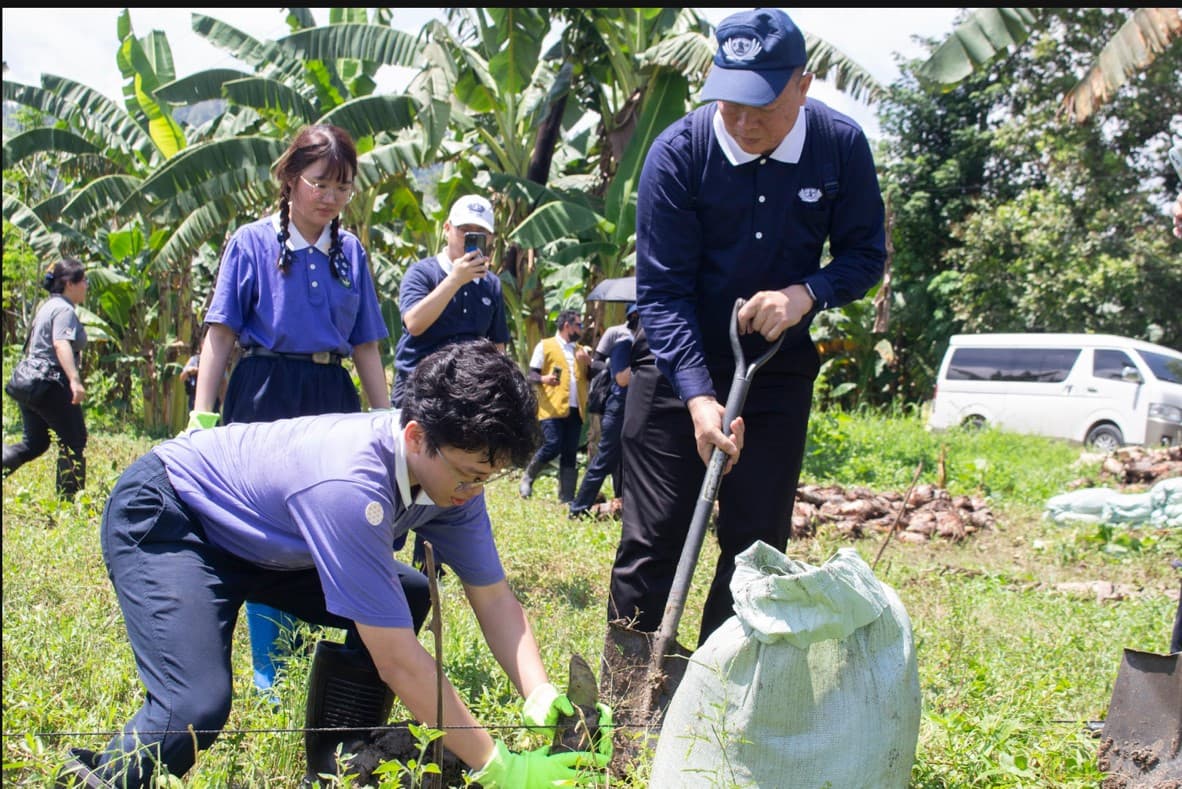
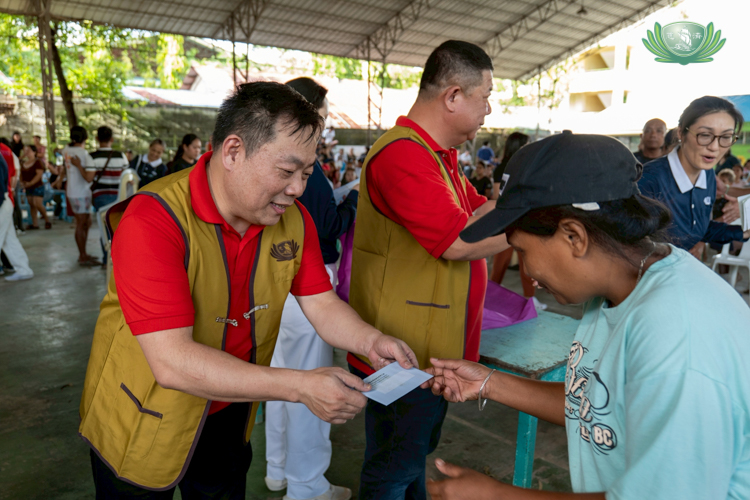
After hosting an activity for Filipino scholars following their Humanities class on August 2 at Buddhist Tzu Chi Campus (BTCC) in Sta. Mesa, Manila, it was off to Davao. There, they planted banana seedlings in a livelihood project initiated by local volunteers for Indigenous farmers, then brought cheer to the seniors of Cu So Gian Home for the Aged, a Davao City-funded residential facility and partner institution of Tzu Chi.
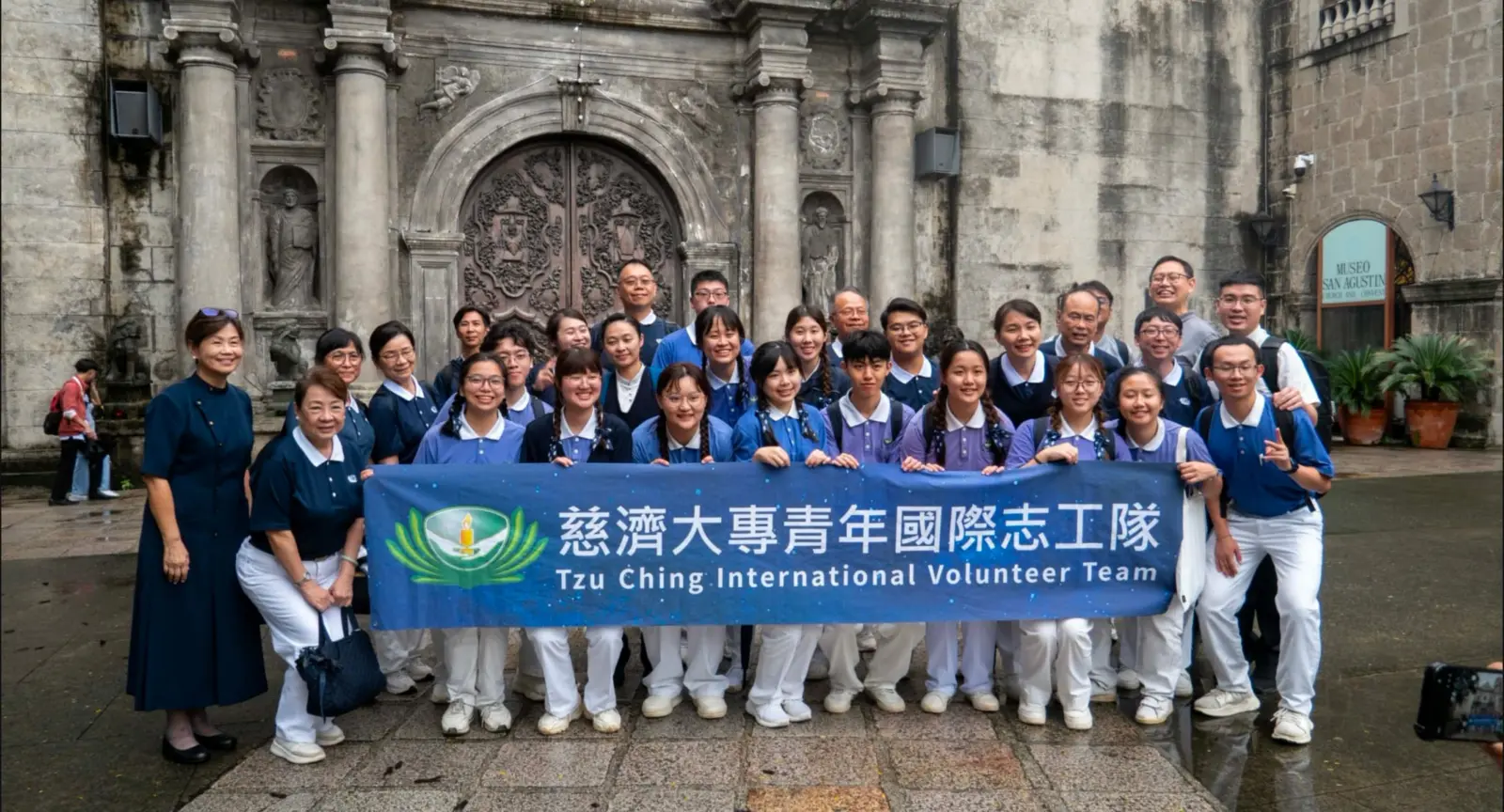
Back in Manila, the group was brought to the famed “Walled City” of Intramuros on a rainy August 5, where they learned about the rich and diverse history of their host country in two venues: Bahay Tsinoy and the San Agustin Church.
Described as a museum of Chinese in Philippine life, Bahay Tsinoy gives a comprehensive picture of the beginnings, influences, and contributions of Chinese in the country through artifacts, dioramas, and informative displays. Museum guide Ang Chak Chi kept his young audience engaged with his conversant knowledge of Chinese history in the Philippines.
The rains let up briefly when the group was dropped off at the nearby San Agustin Cathedral. The oldest all-stone church in the Philippines is a UNESCO World Heritage Site, National Cultural Treasure, and National Historical Landmark. Tzu Chi Youth and volunteers entered the cathedral to admire its magnificent Baroque details, while others posed for selfies and groufies at the cobbled courtyard.
“I like how Philippine culture is a combination of different cultures,” said Taiwan-based Tzu Chi Youth Hu Zih Syuan (Sofia). “It’s very beautiful.”
For Tzu Chi Malaysia volunteer Yeap Jun Hui, the most memorable part of the tour was learning about the Parian. The residential and commercial enclave in the late 1500s was where Chinese merchants earned a lot by providing various goods and services.
Before leaving on August 11, Yeap hopes to experience a notable initiative of Tzu Chi’s Philippine chapter. “Tzu Chi Philippines was established because of its medical missions, and I would like to know more about it,” he said.
A chance to assist in Tzu Chi’s 292nd medical mission in Dipolog, Zamboanga del Norte, from August 6 to 8, and Free Clinic Services at BTCC on August 10 should complete this most fun and enlightening visit.